There’s a profound shift happening in how products connect to consumers—and most brands are about to miss it entirely.
GS1 Digital Link is a standard that transforms traditional product barcodes into web-enabled identifiers. Instead of encoding just a product number, GS1 Digital Link encodes a URL that connects products to online information, experiences, and services.
The same QR code that a retail scanner reads at checkout can be scanned by any consumer’s smartphone to access brand content, product details, promotional offers, authenticity verification, sustainability data, or virtually any digital experience the brand wants to provide.
This is what makes GS1 Sunrise 2027 more than a supply chain upgrade. Yes, retailers need to scan new barcode formats. But the real transformation is that every product becomes a direct connection point between brand and consumer—no intermediary platform required.
The brands that build infrastructure to capitalize on this connection will own the customer relationship in ways that weren’t possible when products were just physical objects on shelves.
What GS1 Digital Link Actually Does
Traditional barcodes encode a GTIN—a number that identifies the product. Retail systems look up that number in a database to find the price, description, and inventory information. The barcode itself contains no information beyond “I am product X.”
GS1 Digital Link encodes a URL that contains the GTIN within a web address structure. This URL can be resolved by retail systems for price lookup (working exactly like traditional barcodes) and simultaneously resolved by web browsers and smartphones for consumer-facing content.
For example, a GS1 Digital Link might look like:
https://brand.com/01/09501234567890
The “01” indicates this is a GTIN identifier. The number is the product identifier. But because it’s structured as a URL, any web-connected device can access it.
When a retail scanner reads this code, it extracts the GTIN for checkout processing. When a consumer scans the same code with their smartphone, their browser opens the URL and receives whatever content the brand provides at that address.
This dual functionality—supply chain processing AND consumer engagement—from a single code is the revolution. It eliminates the need for separate barcodes for different purposes. One code serves all functions.
The Resolver: Where the Magic Happens
When a consumer scans a GS1 Digital Link, their device accesses a “resolver”—a web service that interprets the link and directs the consumer to appropriate content.
The resolver is where brands control the consumer experience. It can route to different destinations based on:
- Product: Different products lead to different content
- Geography: Regional content based on scan location
- Time: Different content at different times (promotions, seasons)
- Context: Mobile versus desktop, first scan versus repeat
- Consumer: Personalized content for known users
A sophisticated resolver makes one QR code endlessly flexible. The code printed on packaging never changes, but the experience it delivers can continuously evolve.
This is why landing page infrastructure matters so much for GS1 Digital Link. The resolver needs somewhere to send consumers. That destination determines whether the scan creates value or disappointment.
Building the Consumer Engagement Layer
Most brands approaching GS1 Sunrise focus on the barcode itself—ensuring the QR code is properly formatted, correctly printed, and scannable by retail systems. This is necessary but insufficient.
The consumer engagement layer—everything that happens after a consumer scans—requires equal attention:
Landing Experience Design
When a consumer scans a product, where do they land? The experience should be:
- Immediate: No delays, no loading screens, no friction
- Mobile-native: Designed for smartphone screens and thumb navigation
- Contextually relevant: Related to the specific product scanned
- Value-delivering: Providing information or utility worth the scan
- Action-enabling: Clear paths to desired consumer behavior
Generic corporate websites fail this test. They’re designed for different purposes, different contexts, different user journeys. They don’t acknowledge the scan, don’t relate to the product, don’t provide scan-specific value.
Dedicated landing experiences—Action Pages designed specifically for post-scan engagement—dramatically outperform generic destinations.
Content Strategy
What content justifies the scan? Consumers who scan product QR codes want specific things:
- Product information: Ingredients, nutrition, sourcing, manufacturing
- Usage guidance: Instructions, recipes, tutorials, tips
- Authenticity verification: Proof the product is genuine
- Sustainability data: Environmental impact, certifications, practices
- Promotional offers: Discounts, loyalty rewards, exclusive access
- Community connection: Reviews, user content, brand community
The optimal content mix varies by product category, brand positioning, and consumer expectations. A pharmaceutical product needs different content than a food product needs different content than an apparel product.
Content strategy should also evolve over time. Launch content differs from ongoing content. Seasonal campaigns layer over persistent information. Consumer feedback informs content priorities.
Conversion Architecture
Information delivery is valuable but doesn’t build relationship. Conversion mechanisms transform scanners into known contacts:
- Email/SMS capture: Ongoing communication permission
- Loyalty enrollment: Formal relationship structure
- Social follows: Content distribution channels
- Community membership: Peer connection and engagement
- Account creation: Full customer relationship
The conversion ask should match the value exchange. Demanding extensive information for minimal content fails. Offering significant value justifies meaningful data collection.
Different products might warrant different conversion approaches. High-involvement products can ask for more. Impulse purchases need lighter conversion paths.
Relationship Continuity
A single scan should begin ongoing relationship, not end with a page view. Infrastructure should:
- Recognize returning scanners: Previous behavior informs current experience
- Connect across products: Multiple product scans build unified profile
- Enable ongoing communication: Captured contacts receive relevant outreach
- Track relationship value: Measure scanner-to-customer conversion
This continuity requires unified data architecture. Fragmented systems that don’t connect scan data to contact data to customer data can’t maintain relationship coherence.
Why Action Pages Beat Landing Pages
Traditional landing pages are designed for campaign traffic—paid ads, email links, social posts. They’re optimized for specific traffic sources and specific conversion goals.
Post-scan engagement is different. Consumers scanning products have different intent, different context, different expectations than consumers clicking ads. They’re already physically interacting with the product. They want product-relevant content, not campaign messaging.
Action Pages—mobile-native hub experiences designed for scan contexts—outperform landing pages for GS1 Digital Link because:
Multi-action flexibility: A landing page typically drives toward one conversion. Action Pages can present multiple options—information, content, signup, social, commerce—letting scanners choose their path.
Persistent utility: Landing pages often relate to temporary campaigns. Action Pages can serve as persistent product hubs that remain useful over time.
Mobile-first design: Action Pages assume smartphone context. They’re built for thumb navigation, vertical scrolling, and tap interactions.
Dynamic capability: Action Pages can update content without changing URLs. The same code always leads to current, relevant content.
Integration depth: Action Pages connect to broader engagement infrastructure—events, commerce, social, analytics—rather than standing alone.
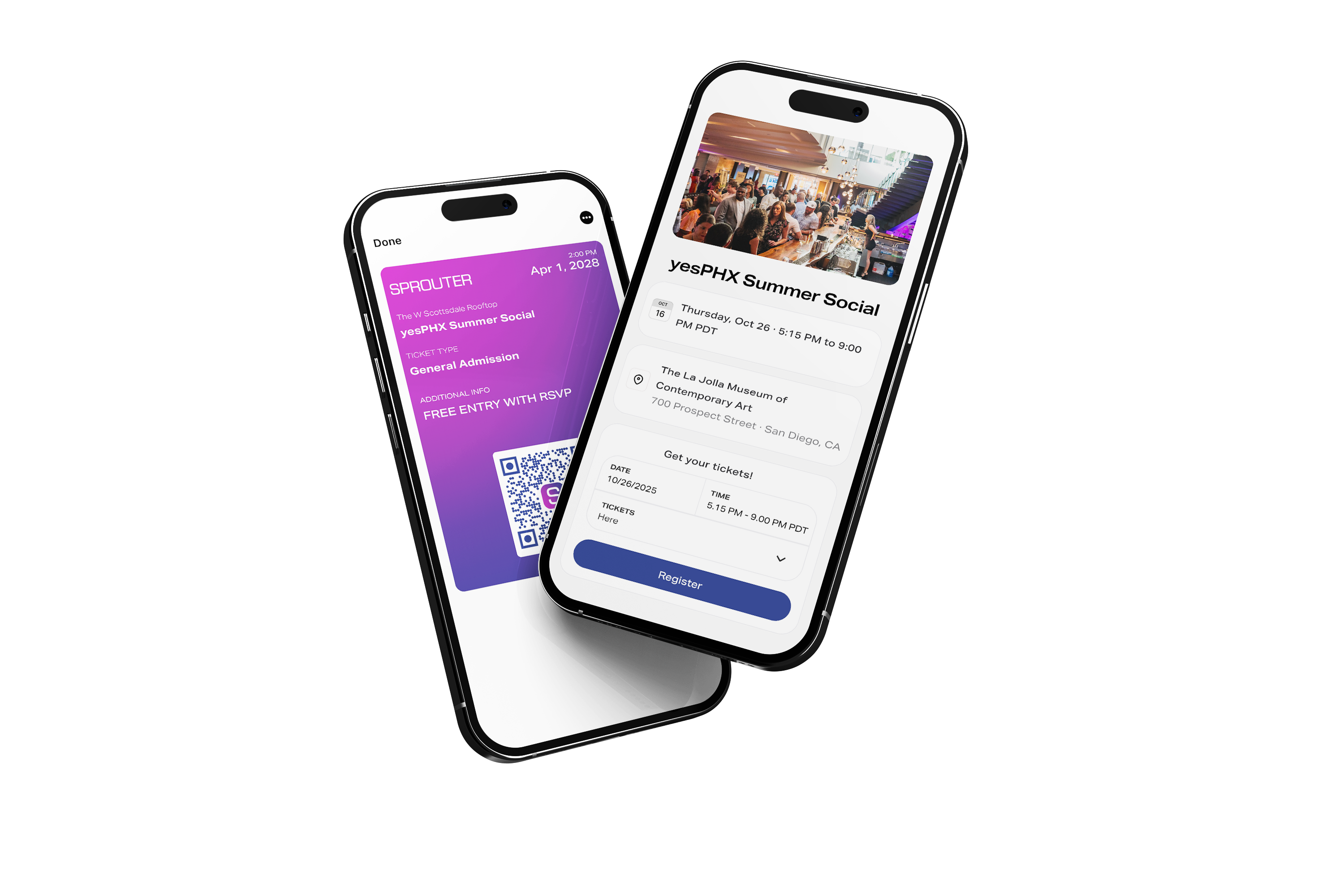
Sprouter’s Action Pages exemplify this approach. They’re not landing page templates adapted for mobile—they’re native hub experiences built specifically for post-scan engagement contexts.
The Commerce Opportunity
GS1 Digital Link creates commerce opportunities beyond traditional retail:
Direct purchase: Consumers scanning products could buy directly from brands, bypassing retail intermediaries. Subscription enrollment, replenishment ordering, and exclusive variants become possible from any scan.
Related purchases: A food product scan could sell recipe kits, cooking classes, or cookware. An apparel scan could offer styling services or complementary items.
Event commerce: Brands could sell experience access—tastings, workshops, launches, community events—directly from product scans.
Service booking: Consultations, installations, customizations, and other services become accessible from product interaction.
These commerce pathways require integrated payment processing. Brands need infrastructure that handles transactions triggered by scans—not just information delivery.
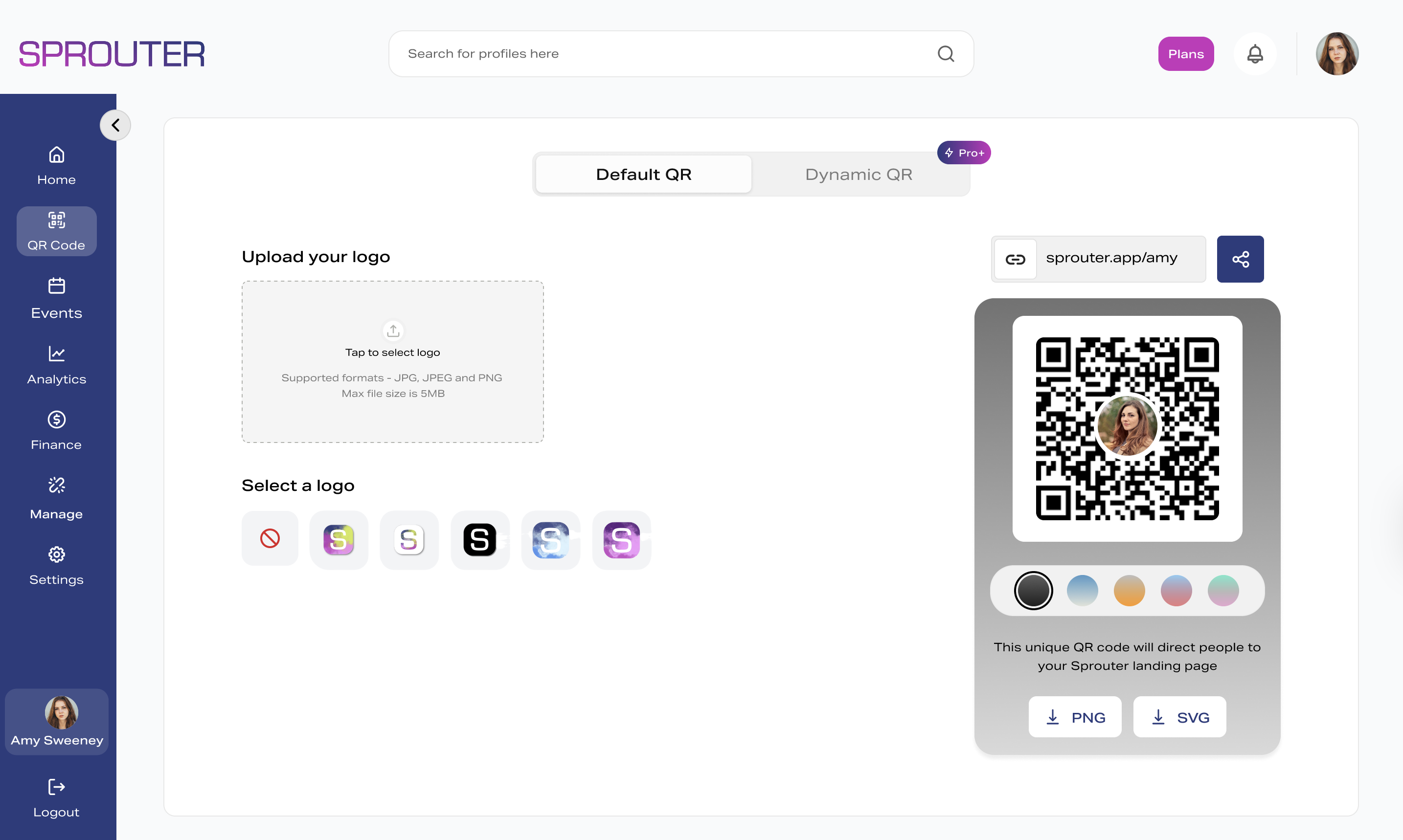
Sprouter’s event layer connects Dynamic QR Codes, ticketing, integrated checkout, analytics, and organizer ACH payout status. A payment processing partner handles buyer payments and the event hold; eligible organizer proceeds are paid to the linked bank account after payout review.
Analytics: Understanding Scan Behavior
GS1 Digital Link generates valuable behavioral data:
- Scan volume: Which products generate consumer interest?
- Geography: Where are consumers engaging?
- Timing: When do scans happen (purchase moment? Usage? Research?)
- Conversion: Which scanners take action?
- Journey: What paths do scanners follow?
This data informs product strategy, marketing allocation, packaging design, and retail relationships. Products with high scan engagement might warrant expanded distribution. Products with low engagement might need content improvement or packaging redesign.
Analytics should connect to broader business intelligence. Scan data gains meaning when connected to sales data, customer data, and market data. Isolated scan metrics provide limited insight.
Implementation Roadmap
Brands preparing for GS1 Digital Link consumer engagement should:
Phase 1: Infrastructure (Now)
Build the landing experience layer before codes deploy. Create Action Pages or equivalent hub experiences. Establish content strategy. Implement conversion mechanisms. Set up analytics.
Waiting until GS1 codes are on packaging to build engagement infrastructure wastes the early adoption window.
Phase 2: Pilot (3-6 months)
Deploy GS1 Digital Link on select products or markets. Test content approaches. Measure scan rates and conversion performance. Gather consumer feedback. Iterate based on learning.
Pilots reveal what works before full-scale deployment locks in approaches.
Phase 3: Optimize (6-12 months)
Refine based on pilot data. Expand successful content. Fix underperforming experiences. Build personalization capability. Develop segment-specific approaches.
Phase 4: Scale (12+ months)
Roll out across full product portfolio. Standardize successful patterns. Maintain testing culture. Evolve content continuously.
The brands that complete these phases before GS1 Sunrise 2027 deadlines will have optimized experiences while competitors scramble for basic compliance.
The Relationship Asset
GS1 Digital Link creates something many brands have never had: direct consumer relationships unmediated by retailers or platforms.
Traditionally, brands sell through retailers who own the customer relationship. Brands know what shipped to stores but not who bought products or why. Consumer feedback arrives through research, not direct connection.
GS1 Digital Link changes this. Every product scan is a relationship invitation. Consumers who engage become known contacts. Their preferences, behaviors, and feedback flow directly to brands.
This direct relationship has enormous value:
- Reduced platform dependency: Brand-owned relationships don’t depend on algorithm favor
- First-party data: Consumer information brands own and control
- Research capability: Direct access to consumer feedback and testing
- Retention potential: Direct communication with existing customers
- Advocacy activation: Engaged consumers become brand ambassadors
The brands that build this relationship layer from GS1 Digital Link will have strategic assets their competitors lack—owned consumer relationships at scale.
The Convergence Moment
GS1 Sunrise 2027, GS1 Digital Link, connected packaging, smart products—these aren’t separate trends. They’re convergence toward a single reality: every physical product becomes a digital touchpoint.
The brands that understand this convergence will build integrated infrastructure—dynamic QR codes, responsive Action Pages, conversion mechanisms, commerce capability, relationship management, unified analytics—that captures the full value of product-to-consumer connection.
The brands that see only compliance requirements will put codes on packaging that technically work but create no value beyond checkout.
The difference will compound over years as connected brands accumulate customer relationships while disconnected brands remain dependent on intermediaries.
The infrastructure you build now determines which side of that divide you occupy.
Ready to build your GS1 Digital Link engagement layer? Sprouter provides the complete infrastructure: dynamic QR codes, Action Pages for post-scan experiences, conversion and commerce capability, and unified analytics. Explore Sprouter’s GS1 solutions and turn every product into a relationship opportunity.