If you’re a creator or local business, you’ve felt the algorithm squeeze.
One day your posts reach thousands. The next day, the same quality content reaches dozens. Platforms change their rules without warning, and suddenly the audience you spent years building becomes invisible. You’re creating more content than ever but reaching fewer people than before.
Meanwhile, the platforms keep suggesting you buy ads to reach the audience that supposedly follows you.
This is the attention trap: you built an audience on rented land, and now the landlord keeps raising the rent.
But there’s an alternative. Creators and local businesses who connect with fans and customers in the real world—then channel those connections into owned digital relationships—are escaping the algorithm trap entirely. They’re building audiences that don’t depend on platform favor. And they’re often finding that fewer, deeper connections outperform more, shallower reach.
This is the offline-to-online (O2O) advantage. And in 2026, it’s becoming the defining strategy for sustainable creator and local business growth.
The Platform Dependency Problem
The statistics tell the story: organic reach on major platforms has collapsed over the past five years. Facebook page posts reach roughly 5% of followers. Instagram engagement rates decline annually. TikTok’s algorithm is notoriously volatile, creating overnight sensations and equally overnight disappearances.
For creators and local businesses, this creates an impossible treadmill. You must constantly produce content just to maintain visibility. The moment you slow down, the algorithm punishes you with reduced distribution. You’re working harder for diminishing returns.
And you don’t actually control any of it. Platform policy changes can devastate your business overnight. A change in content guidelines, a shift in algorithmic priority, an account suspension you can’t appeal—your entire audience can vanish based on decisions you had no part in.
The deeper problem is ownership. You don’t own your followers. The platform does. You have permission to message them, subject to platform rules and algorithmic filtering. That permission can be revoked or degraded at any moment.
Email lists provided partial escape—at least you own the contact information. But email suffers from its own problems: declining open rates, spam filters that bury messages, inbox competition that drowns out your voice.
The real solution is relationship depth, not just contact acquisition. And that’s where real-world engagement changes everything.
The Physics of Real-World Connection
Something different happens when you meet fans and customers in person.
A follower who’s only seen your content through screens has a parasocial relationship with you—they know your public persona but you’re not quite real to them. The relationship is inherently one-directional and shallow.
A fan who’s met you at an event, attended your workshop, or visited your location has a different relationship entirely. You’ve shared physical space. They’ve experienced you as a real human being. The memory is multi-sensory and emotionally encoded.
This depth difference shows up in every downstream metric:
Loyalty increases. People who’ve met you in person are dramatically more likely to remain engaged over time. The relationship feels real because it is real.
Purchase intent rises. Real-world interaction builds trust that translates to transaction willingness. Conversion rates from in-person contacts consistently exceed digital-only leads.
Advocacy activates. Fans who’ve had personal experiences become authentic advocates. Their recommendations carry weight because they’re based on genuine interaction, not just content consumption.
Algorithm dependency decreases. When fans are truly connected, they seek you out rather than waiting for algorithms to show them your content. They check your profile, visit your website, open your emails.
The challenge is bridging this real-world engagement to scalable digital relationship. You can’t personally meet every potential fan or customer. But you can design touchpoints that capture the benefits of physical connection and channel them into ongoing digital engagement.
O2O for Creators: The Playbook
Creators have multiple pathways to integrate offline-to-online engagement.
Events and Meetups
Nothing builds fan connection like live events. A musician’s concert, a podcaster’s live show, a YouTuber’s meetup, an artist’s exhibition—these physical gatherings create memories that content alone cannot.
The O2O strategy makes events do double duty. The event itself creates the experience and connection. But the event infrastructure—registration, ticketing, check-in, follow-up—builds your owned audience.
Every ticket buyer provides real contact information. Every attendee confirms engagement with your brand. Post-event follow-up nurtures the relationship beyond the single gathering. The event becomes an acquisition channel that also generates revenue.
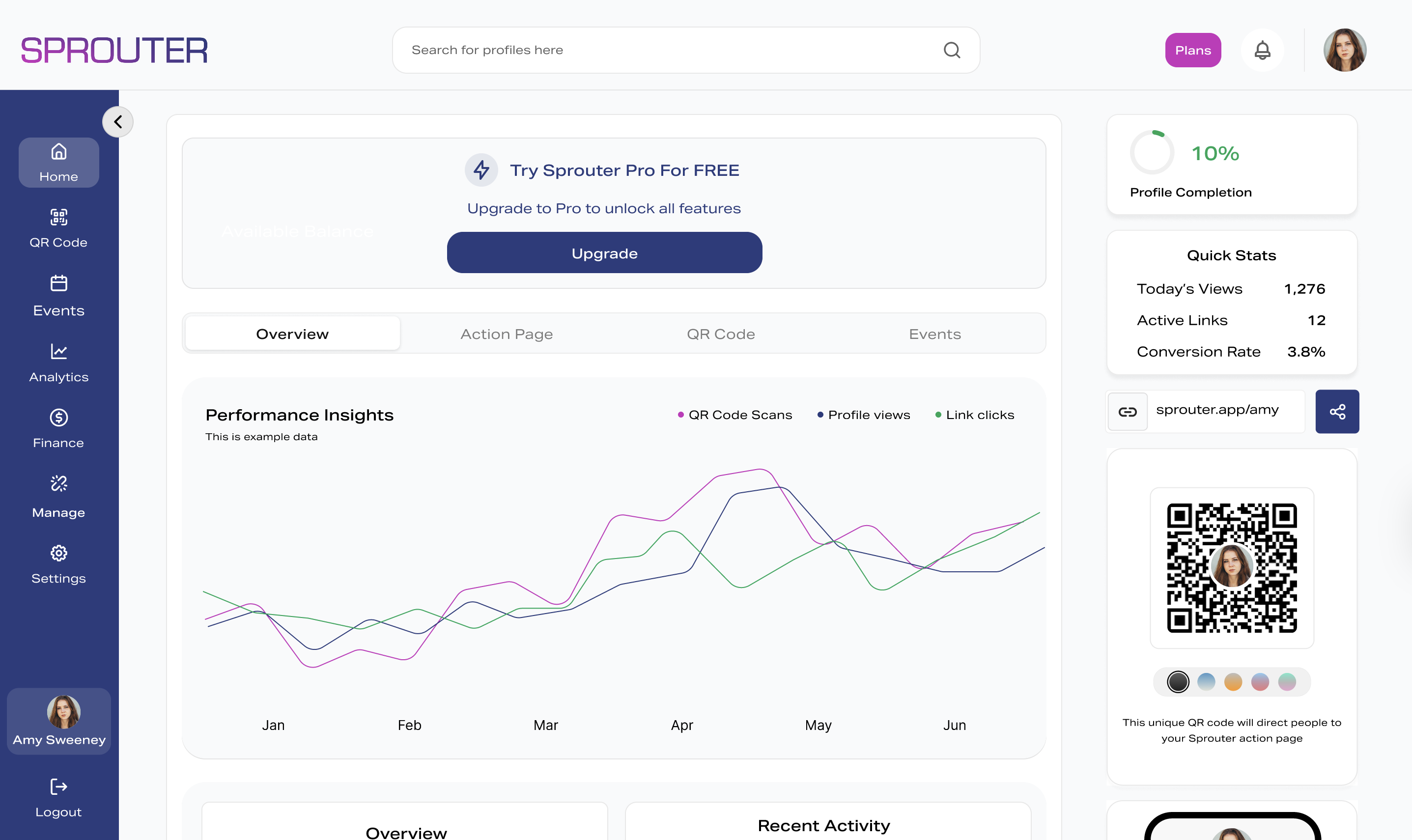
Platforms like Sprouter handle this complete loop: event pages that capture registrations, ticketing that processes payments, check-in that confirms attendance, and profiles that maintain the relationship afterward.
Merchandise and Products
Physical products create natural O2O touchpoints. Every product can include QR codes or links that connect to digital experiences:
- Exclusive content for purchasers
- Community access for buyers
- Behind-the-scenes material
- Early access to new work
- Direct communication channels
The value exchange is clear: they bought something physical and get bonus digital access. You convert a one-time transaction into an ongoing relationship.
Collaborations and Pop-ups
Partnering with physical venues, retail locations, or complementary creators extends your reach to new audiences in physical contexts. A pop-up appearance, a collaborative event, or a retail partnership introduces you to people who might never find you through algorithms.
These physical touchpoints should always include digital capture mechanisms: QR codes to follow, signup opportunities, promotional codes that track attribution. Otherwise, the exposure doesn’t convert to relationship.
Fan Experiences
Increasingly, creators offer premium experiences beyond standard content: coaching calls, mastermind groups, workshops, behind-the-scenes access. These high-touch offerings deepen relationships with most engaged fans while generating revenue.
The key is treating these experiences as O2O opportunities. In-person workshops capture attendees into owned channels. Virtual coaching calls can drive to community platforms. Every premium interaction should strengthen the direct relationship.
O2O for Local Businesses: The Playbook
Local businesses have inherent O2O advantages—they already interact with customers physically. The opportunity is capturing those interactions digitally.
The Location as Marketing Platform
Your physical location is your most valuable marketing asset. Every person who walks through your door has demonstrated interest through action. The question is whether you convert that visit into ongoing relationship.
QR codes throughout your location can drive digital engagement:
- Table tents linking to loyalty programs
- Counter displays promoting email signup
- Receipt prompts for reviews and feedback
- Window displays engaging after-hours browsers
- Product tags connecting to additional information
Each touchpoint converts physical presence to digital connection.
Local Events and Workshops
Local businesses can host events that serve the community while building customer relationships:
- A cooking store hosts cooking classes
- A bookshop runs author readings
- A fitness studio offers wellness workshops
- A salon provides styling tutorials
- A cafe features local artists
These events attract potential customers, demonstrate expertise, and create community connection. The event infrastructure (registration, communication, follow-up) builds your marketing database with engaged local contacts.
Customer Experience Touchpoints
Every customer interaction is a potential O2O moment:
- Post-service follow-up requesting reviews
- Birthday and anniversary recognition programs
- Exclusive offers for previous customers
- Community access for loyalty members
- Early notification of new offerings
The goal is converting transactional customers into relationship members. Each visit should deepen the connection and expand your direct communication ability.
Local Partnerships
Collaborating with complementary local businesses extends reach within your community:
- Joint events that combine audiences
- Cross-promotional QR codes
- Shared loyalty programs
- Bundle offers across businesses
- Community sponsorships with digital activation
These partnerships build local presence while growing owned audience through combined reach.
Building the Infrastructure
O2O strategy requires infrastructure that connects physical touchpoints to digital relationships.
Landing and Engagement Hubs
You need mobile-optimized destinations for QR codes and links. These shouldn’t be generic websites but conversion-focused landing experiences designed for specific contexts.
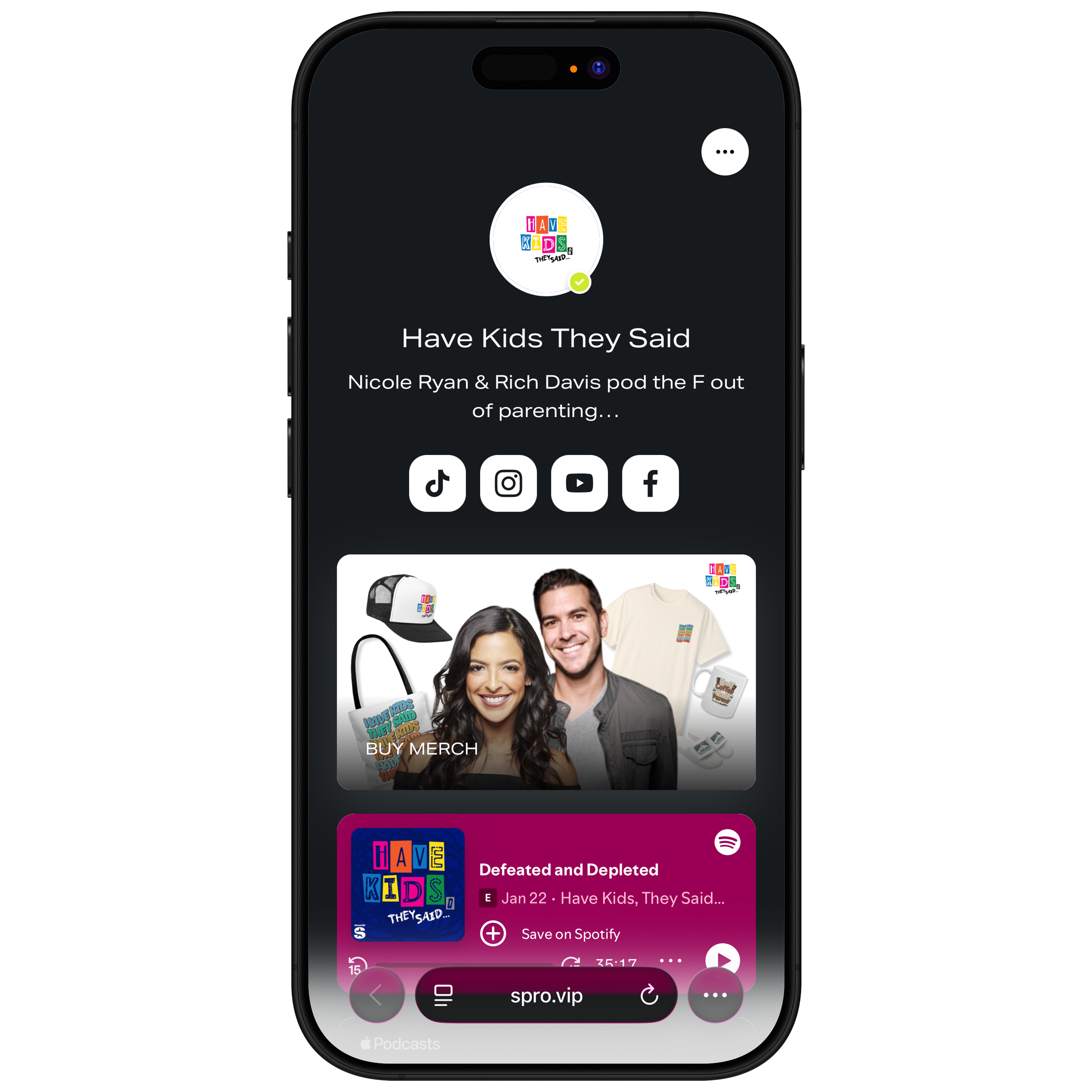
Sprouter’s Action Pages serve this function—mobile-first hubs that can include ticket sales, content access, social links, email capture, and more. One page handles multiple actions rather than requiring different destinations for different needs.
Event Management
If events are part of your strategy, you need integrated event infrastructure: promotion, registration, ticketing, check-in, and follow-up. Fragmented tools create friction and lose data at each handoff.
Integrated platforms handle the complete flow, building unified profiles that track engagement across events and other touchpoints.
Contact and Relationship Management
Every O2O interaction should feed a central system that tracks the relationship over time. Who attended which events? Who purchased which products? Who scanned which codes? This accumulated history enables personalized engagement that generic mass communication can’t match.
Analytics and Attribution
Understanding what’s working requires connecting physical touchpoints to digital outcomes. Which events drive the most valuable customers? Which QR placements generate highest conversion? Which offerings create deepest engagement? This data enables optimization of your O2O strategy.
The Math of Owned Audiences
The economics favor owned audiences over platform-dependent reach.
Consider a creator with 100,000 Instagram followers. With typical algorithm suppression, posts might reach 5,000-10,000 people. Actual engagement might be a few hundred. Conversion to any action (purchases, email signups, event attendance) might be single digits.
Compare this to a creator with 5,000 email subscribers and 2,000 event attendees. Email might reach 40-50% of subscribers with 20-30% opening. Event attendees have demonstrated willingness to take real-world action. Conversion rates from these owned channels often exceed 5-10%—orders of magnitude higher than algorithm-dependent reach.
Smaller owned audiences frequently outperform larger rented audiences because:
You actually reach them. No algorithm stands between you and your audience. Your message arrives, even if they don’t always engage with it.
They’ve demonstrated commitment. Giving an email address or attending an event requires more action than tapping a follow button. This self-selection indicates higher interest and engagement likelihood.
The relationship is deeper. Especially for event attendees, the personal connection creates loyalty that passive following doesn’t generate.
You control the communication. You decide what to send, when to send it, and how to frame it. Platform restrictions and algorithmic preferences don’t constrain your message.
The strategy isn’t to abandon platform presence—it’s to use platforms as discovery channels that feed owned audience building. Attract attention on Instagram, convert to email and event attendance, deepen the relationship through direct engagement.
The Compounding Effect
O2O strategy compounds over time in ways algorithm-dependent approaches cannot.
Each event adds attendees to your owned audience. Each attendee becomes more likely to attend future events and bring friends. Each in-person interaction deepens relationship and increases lifetime value.
Your owned audience grows even when algorithm performance declines. Your community strengthens even when platform engagement drops. Your direct relationships persist regardless of policy changes at platforms you don’t control.
Meanwhile, algorithm-dependent creators face constant decay. Yesterday’s viral video doesn’t help today’s reach. Last month’s engagement doesn’t carry forward. You’re always starting over, always at the mercy of platform decisions.
The creators and local businesses thriving in 2026 aren’t those with the biggest follower counts. They’re those with the deepest owned relationships—the ones who converted platform attention into real connection and real community.
Starting Now
You don’t need to overhaul everything at once. Start with accessible O2O tactics:
Add digital capture to existing physical interactions. If customers already visit your location or fans already attend events, add mechanisms to convert those visits to owned relationships.
Host a small event. Even a modest gathering creates deeper connection than endless content. Test the response from your most engaged audience members.
Deploy QR codes strategically. Find physical touchpoints where you have presence—products, materials, locations—and add scannable connections to digital engagement.
Build your landing infrastructure. Create the Action Pages and landing experiences your QR codes and links point to. Make sure they’re mobile-optimized and conversion-focused.
Track and optimize. Measure what’s working. Which events attract which customers? Which codes drive which conversions? Use data to focus resources on highest-return tactics.
The algorithm squeeze isn’t going away. Platform dependency will only become more expensive and less reliable. The time to build O2O capability is now, while you can still convert platform attention into owned relationships.
Your fans and customers exist in the real world. They want real connection, not just content consumption. Give them that connection, capture it digitally, and you’ll build something no algorithm can take away.
Ready to escape algorithm dependency? Sprouter gives creators and local businesses the tools to convert real-world engagement into owned audience: Action Pages for your digital hub, event infrastructure for gatherings, QR codes for physical touchpoints, and analytics to track what’s working. Start building your O2O advantage today.