The average marketing team uses over 90 different cloud services. Each tool does one thing reasonably well. Together, they create a tangled mess of disconnected data, broken integrations, and operational complexity that undermines the very efficiency they promised.
This fragmentation hits especially hard for offline-to-online (O2O) marketing. Connecting physical touchpoints to digital engagement requires QR code generators, link-in-bio tools, landing page builders, event platforms, ticketing systems, payment processors, CRM systems, and analytics tools. Each adds another login, another learning curve, another integration to maintain, and another point of data fragmentation.
The brands seeing the strongest O2O results in 2026 have recognized a better approach: unified platforms that handle the complete journey from physical interaction through digital engagement through conversion and analytics. Instead of stitching together point solutions, they’re deploying integrated systems designed for the full O2O loop.
The Cost of Fragmentation
Tool fragmentation creates problems beyond simple inconvenience.
Data lives in silos. When someone scans your QR code, that interaction sits in your QR platform. When they visit your landing page, that’s in your analytics tool. When they buy a ticket, that’s in your ticketing system. When they check in at your event, that’s somewhere else. No single view connects these touchpoints into a coherent customer journey.
Attribution becomes guesswork. Which QR code drove the ticket sale? Which landing page converted best? Which event attendees became repeat customers? Without connected data, these questions remain unanswered—or require manual analysis that rarely happens.
Integrations break constantly. APIs change. Authentication expires. Data formats shift. Every connection between tools requires ongoing maintenance. The more tools in your stack, the more integration failures you’ll encounter.
Customer experience suffers. Disjointed tools create disjointed experiences. The email doesn’t reference the event they attended. The landing page doesn’t recognize them from the QR scan. The post-purchase sequence ignores their ticket purchase. Customers feel like strangers despite multiple interactions.
Costs accumulate invisibly. Each tool seems affordable individually—$20/month here, $50/month there. But subscriptions compound. Integration middleware adds more. Developer time maintaining connections adds still more. The true cost of a fragmented stack far exceeds the sum of subscription fees.
The O2O Journey Requires Integration
Effective offline-to-online marketing follows a consistent pattern:
Physical Trigger → Digital Landing → Conversion Action → Ongoing Relationship → Analytics Insight
Consider a simple example: someone at your retail location scans a QR code. That physical trigger should connect to a digital landing that’s relevant to their context. The landing should enable a conversion action—signup, purchase, follow. That conversion should flow into ongoing relationship systems. And analytics should connect the entire journey to measure what’s working.
With fragmented tools, each arrow in that sequence represents an integration point that might break, a data handoff that might lose information, and a manual process that might not happen consistently.
With a unified platform, the journey flows automatically. The QR scan captures location, time, and device data. The landing page is contextually appropriate. The conversion action enriches a profile that persists. The follow-up sequence triggers automatically. And analytics show the complete path without manual stitching.
This integration isn’t a nice-to-have—it’s what makes O2O marketing actually work at scale.
What Unified O2O Platforms Include
A complete O2O platform handles every stage of the physical-to-digital journey:
Dynamic QR Codes and Digital Triggers
Static QR codes link to fixed URLs and provide no tracking. Dynamic QR codes can be edited after printing, track every scan with device and location data, and enable sophisticated routing based on context.
The best platforms treat QR codes as programmable triggers, not just link shortcuts. Time-based routing sends morning scanners to different destinations than evening scanners. Location awareness customizes experience by geography. Scan counting enables limited-offer campaigns. And comprehensive analytics reveal which physical placements drive results.
NFC, short links, and app clips serve similar trigger functions for different contexts. A unified platform treats all these as entry points into the same system rather than separate tools requiring separate management.
Landing Experiences (Not Just Landing Pages)
Traditional landing pages are designed for web traffic. O2O landing experiences are designed for physical-trigger context—mobile-first, fast-loading, contextually relevant.
These aren’t just pages with forms. They’re conversion surfaces that might include ticket purchasing, appointment scheduling, content access, file downloads, contact capture, social follows, or payment processing. The versatility matters because different physical contexts require different conversion actions.
The best platforms call these “Action Pages” because they’re designed around the action the visitor should take, not just the information they should see. Every element focuses on conversion, with the flexibility to match any O2O use case.
Event Infrastructure
Events are the highest-value O2O touchpoint, but they require substantial infrastructure: promotion, registration, ticketing, communication, check-in, on-site engagement, and post-event follow-up.
Fragmented approaches use separate tools for each function. Eventbrite for ticketing, Mailchimp for communication, separate apps for check-in, disconnected systems for follow-up. Data fragments across systems, and the event-to-relationship journey breaks.
Unified platforms include native event capabilities: ticket sales across free and paid tiers, QR-based check-in that confirms attendance, capacity management, attendee communication, and integration with the same profiles used across all other touchpoints.
Payments and Commerce
When O2O touchpoints include transactions—ticket sales, product purchases, tips, donations—payment processing becomes critical. Fragmented approaches require connecting separate payment processors, managing separate payouts, and reconciling data across systems.
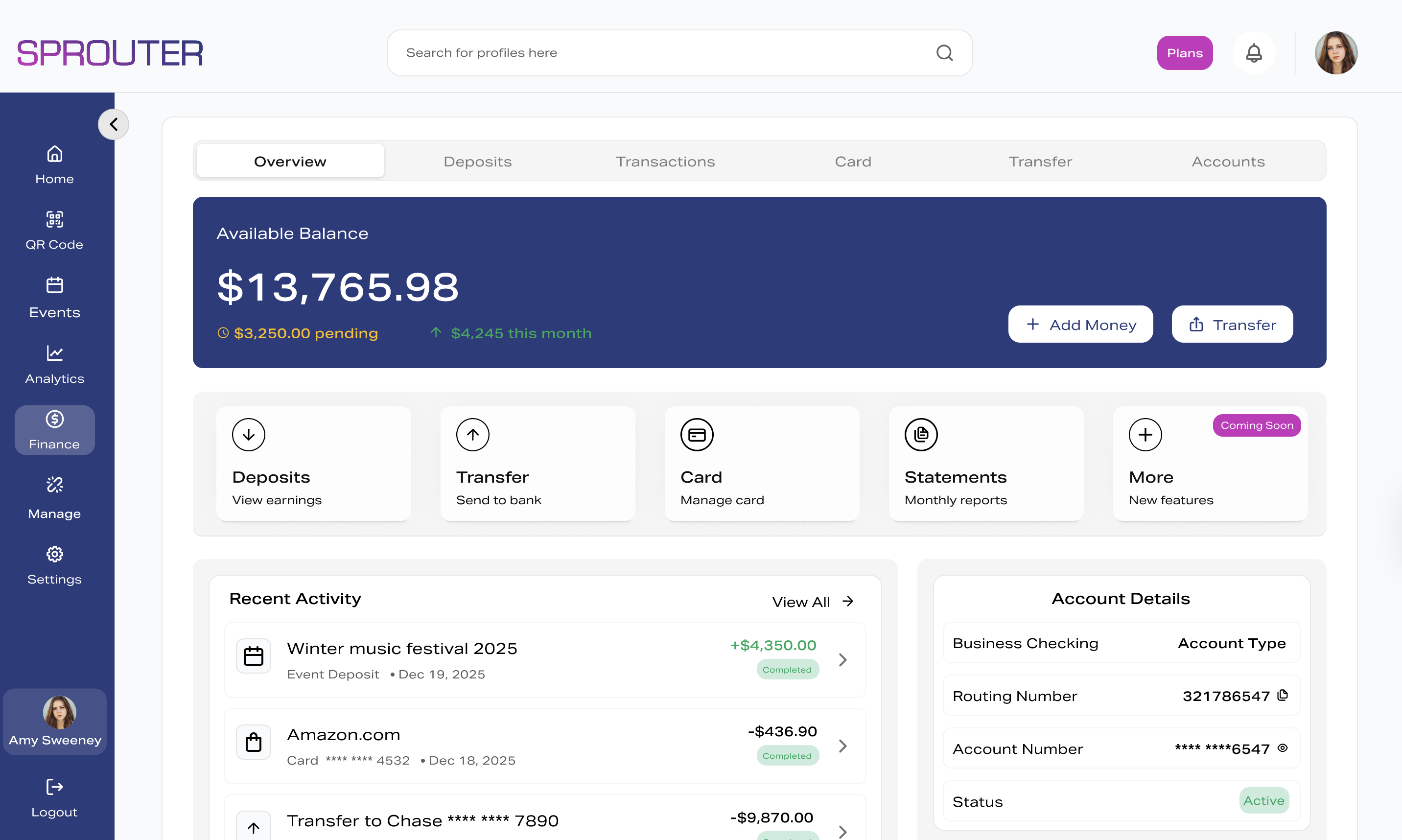
Integrated event-payment infrastructure keeps checkout and transaction history connected to the event record. Organizers still complete payment-partner onboarding and underwriting, and eligible proceeds are paid by ACH to the linked organizer bank account after post-event payout review.
Identity and Profile Management
Perhaps the most important integration: unified identity that recognizes people across touchpoints.
In fragmented systems, the person who scanned your QR code is different from the person who bought a ticket is different from the person who attended your event is different from the person who made a purchase. You have multiple records for the same person, with no connection between them.
Unified platforms build persistent profiles that accumulate across interactions. The QR scan creates a profile. The ticket purchase enriches it. The event attendance adds engagement history. The purchase adds transaction data. Over time, you develop rich understanding of each person’s journey with your brand.
Analytics Across the Journey
Fragmented tools provide fragmented analytics. QR scan data here, page analytics there, event metrics somewhere else, sales data in yet another dashboard.
Unified platforms provide unified analytics: which physical triggers drive which conversions, which landing experiences perform best, which events generate highest lifetime value customers, which journeys predict purchase behavior.
This connected view transforms analytics from reporting (what happened) to optimization (what should we do differently). When you can see the complete journey, you can improve it systematically.
The Consolidation Advantage
Brands that consolidate their O2O stack onto unified platforms report consistent benefits:
Operational efficiency improves dramatically. Instead of managing dozens of tools with different interfaces, teams work within a single system. Training time decreases. Process complexity simplifies. The mental overhead of remembering which tool does what disappears.
Data quality improves when everything flows through connected systems. No more manual exports, CSV uploads, or integration maintenance. Customer profiles stay accurate because there’s only one source of truth.
Speed increases because launching new campaigns doesn’t require configuring multiple tools and testing integrations. Create the QR code, build the landing experience, connect the conversion action, set up analytics—all in one workflow.
Costs typically decrease despite appearing to replace multiple “cheaper” tools. The hidden costs of integration, maintenance, and data reconciliation often exceed the subscription fees of individual tools.
Insights become actionable when analytics span the complete journey. Instead of disconnected metrics from different tools, you see unified views that reveal what’s actually driving results.
Evaluating O2O Platforms
Not all platforms claiming O2O capabilities deliver genuine integration. When evaluating options, consider:
Does the platform handle the full journey? Some tools handle QR codes but not landing pages. Others handle events but not payments. True integration requires capability across the complete O2O loop.
Is data actually unified? Some platforms bundle separate tools under one brand without real data integration. Look for single customer profiles that accumulate across all touchpoints, not separate databases that happen to share a login.
How flexible are landing experiences? O2O use cases vary enormously. The platform needs to support ticket sales, content gating, contact capture, scheduling, file delivery, and commerce—ideally without requiring separate modules or additional subscriptions.
What’s the payment infrastructure? If transactions are part of your O2O strategy, ask who is the seller, who processes and controls proceeds, what organizer onboarding is required, when payout eligibility is reviewed, and how eligible proceeds reach the linked bank account.
How sophisticated are analytics? Simple scan counts and page views aren’t enough. Look for journey analytics that connect physical triggers to digital conversions to customer outcomes.
Does it scale appropriately? Your needs will evolve. Platforms should offer tiers that match current requirements while providing growth paths that don’t require migration to different systems.
Sprouter: A Case Study in Unified O2O
Sprouter exemplifies the unified platform approach to O2O marketing.
The platform handles dynamic QR codes that track scans with full context—device, location, time—and can be edited after printing without regenerating codes. These connect to Action Pages, mobile-optimized landing experiences that support virtually any conversion action: links, content embeds, ticket sales, contact capture, scheduling, file downloads, and more.
Event infrastructure is native to the platform. Create events with multiple ticket tiers, process payments, manage capacity, communicate with attendees, and check in arrivals via QR scan—all within the same system that handles your other O2O touchpoints.
For event tickets, supported buyer payments are handled by a payment processing partner. The organizer remains the seller and merchant of record, and eligible proceeds are paid by ACH to the organizer’s linked bank account after the event and payout eligibility review.
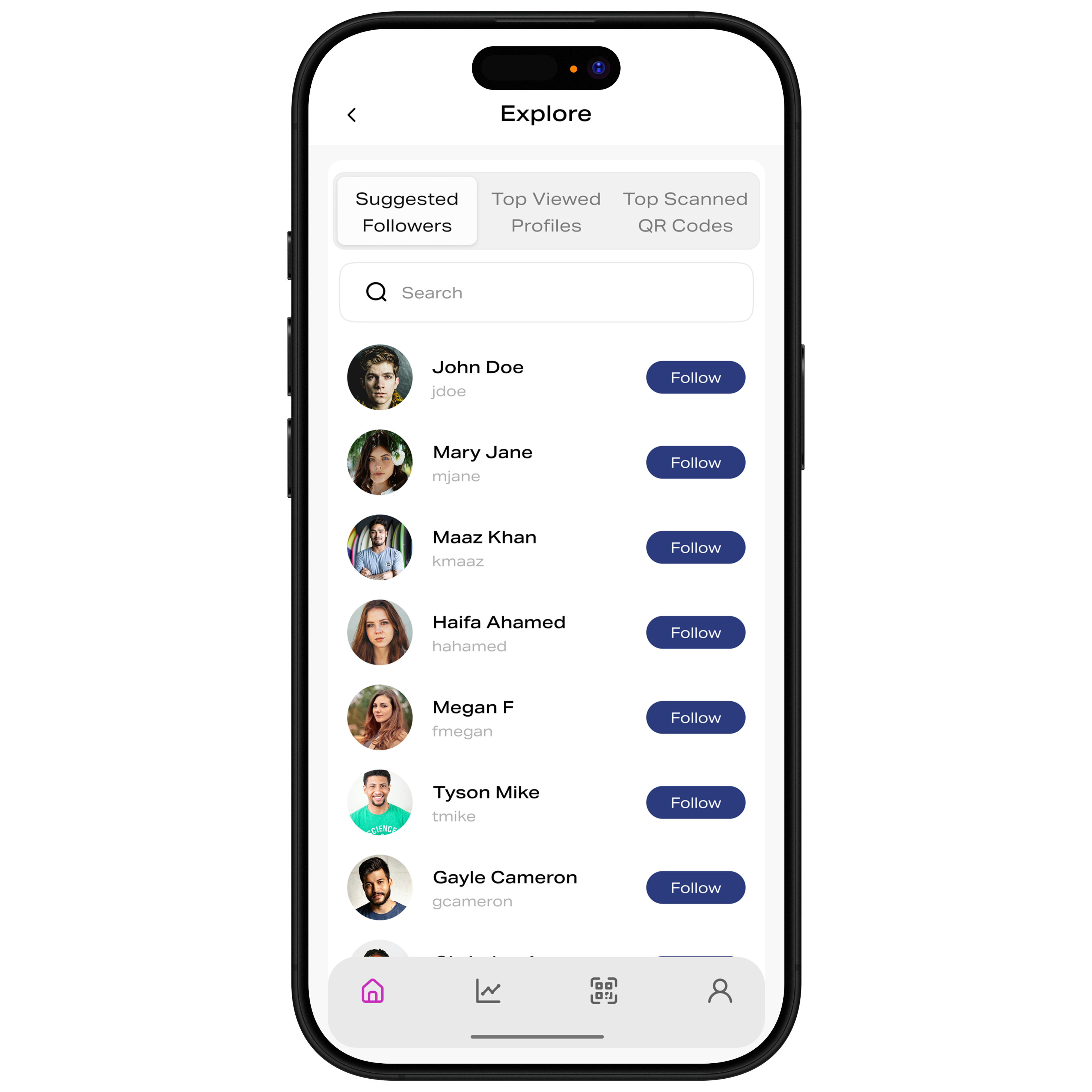
Throughout, unified profiles accumulate data across interactions. Someone who scans your QR code, buys a ticket, attends your event, and follows your profile maintains a single identity with complete interaction history.
Analytics connect the full journey, showing which QR placements drive ticket sales, which events convert attendees to followers, and which customer paths predict ongoing engagement.
The consolidation means teams work within one system rather than juggling multiple tools. The integration means data flows without manual intervention. And the unified approach means O2O marketing actually works as intended—connecting physical touchpoints to digital relationships without fragmentation.
The Migration Path
Moving from fragmented tools to a unified platform requires planning but pays returns quickly.
Start with new initiatives. Rather than migrating historical data, begin using the unified platform for new campaigns, events, or locations. This limits disruption while building familiarity with the new system.
Identify quick wins. Look for use cases where fragmentation creates obvious pain—perhaps events where ticketing, check-in, and follow-up currently require three different tools. Consolidating these specific workflows demonstrates value and builds organizational confidence.
Phase the transition. Not everything needs to move at once. You might continue using existing tools for certain functions while adopting the unified platform for others. Over time, expand the unified platform’s scope as you retire legacy tools.
Measure the difference. Track operational metrics (time to launch campaigns, integration failures, data reconciliation effort) alongside marketing metrics (conversion rates, attribution accuracy, customer journey visibility). The improvement across both categories justifies the transition.
The Strategic Shift
The move from fragmented tools to unified platforms reflects a broader strategic shift in how brands think about marketing technology.
The old approach optimized for individual capabilities: find the best QR tool, the best landing page builder, the best event platform, the best analytics system. Each tool excelled at its narrow function.
The new approach optimizes for integrated outcomes: what platform best enables complete customer journeys from physical touchpoint through digital engagement through ongoing relationship? Individual tool excellence matters less than system integration.
This shift recognizes that customer experience happens across touchpoints, not within tool boundaries. The person scanning your QR code doesn’t care which tools power the experience—they care whether the experience is seamless, relevant, and valuable.
Unified platforms deliver that seamlessness. Fragmented tools, no matter how excellent individually, cannot.
The 2026 Imperative
As brands increasingly shift investment from digital advertising to real-world engagement, the infrastructure to support that shift becomes critical.
The brands winning with O2O marketing in 2026 aren’t those with the longest list of tools. They’re those with integrated platforms that make physical-to-digital connections effortless—for both their teams and their customers.
The fragmented approach reached its limits. The integration imperative is here. The question isn’t whether to consolidate your O2O stack, but how quickly you can make it happen.
Ready to consolidate your O2O stack? Sprouter unifies QR codes, landing pages, events, ticketing, payments, and analytics in one platform designed for the complete offline-to-online journey. See what unified O2O looks like.