There’s a fundamental shift happening in how successful brands think about growth. The old model—buy advertising to reach audiences, convert a percentage to customers, repeat—is breaking down. Customer acquisition costs are climbing. Ad fatigue is accelerating. Platforms change algorithms without warning, making yesterday’s successful campaign today’s money pit.
The brands thriving in 2026 have recognized a different path: community. Not audience. Not followers. Community—a group of people who choose to engage with your brand and with each other, who generate their own content, advocate organically, and persist even when marketing budgets fluctuate.
The difference between audience and community is the difference between renting attention and earning loyalty. And the data increasingly shows that community wins on every metric that matters.
The Economics of Community vs. Advertising
The numbers make a compelling case for community investment.
Brands using the community flywheel approach convert more than 4% of online traffic to sales—roughly double typical e-commerce conversion rates. More than 75% of content about community-driven brands is user-generated, organic advocacy that costs nothing to produce and consistently outperforms brand content.
Research shows 49% of brands using community forums have achieved 25% cost savings compared to traditional marketing approaches. The efficiency gain comes from multiple sources: reduced customer acquisition costs as members recruit members, lower support costs as community members help each other, and higher lifetime value as community belonging increases retention.
Compare this to digital advertising, where customer acquisition costs keep climbing, ad fatigue sets in faster than ever, and results disappear the moment you stop spending. Advertising is a hamster wheel. Community is a flywheel—once spinning, it generates momentum with less ongoing effort.
The retention economics are particularly stark. When you stop paying for ads, the traffic dies. A strong community keeps people engaged even when the brand isn’t actively spending. It lowers churn, increases retention, and turns members into advocates who organically bring in new people without paid marketing.
Why Community Matters More Now
Several converging forces have made community-based marketing more valuable than ever.
Digital fatigue is real. People are tired of being algorithmically sorted, tired of transactional relationships with brands, tired of content that feels automated. Instead of trusting traditional advertising, people trust people. Instead of shopping for products, they shop for belonging.
Privacy changes have weakened targeting. The third-party cookies that enabled precise digital targeting are disappearing. When you can’t micro-target strangers effectively, building direct relationships with known community members becomes relatively more valuable.
Platform dependency is risky. Brands that built their audience on Instagram, TikTok, or Facebook have watched algorithm changes decimate their reach overnight. A community you own—through email, events, and direct engagement—can’t be taken away by platform policy changes.
Gen Z and Millennials, now 71% of B2B buyers, favor peer-led interaction over sales pitches. They do research before engaging with brands and trust authentic recommendations over marketing messages. Community provides the peer validation these buyers require.
Dark social dominates influence. Up to 84% of content sharing now happens through private channels—direct messages, email, text—rather than public feeds. Traditional advertising can’t reach these private conversations, but community members participate in them constantly.
What Community Actually Means
Community isn’t a marketing tactic you bolt onto existing operations. It’s a fundamental reorientation of how you relate to customers.
An audience is a group of people who receive your messages. Communication flows one direction—from brand to audience. When you stop talking (or paying to talk), the relationship pauses.
A community is a group of people who communicate with each other as well as with you. Communication flows in all directions. Members help each other, share experiences, create content, and form bonds that exist independent of your direct involvement.
This distinction has practical implications:
Audiences consume content. Communities create content. User-generated content from community members performs better than brand content because it feels authentic. It’s social proof in action—real people sharing real experiences rather than polished marketing messages.
Audiences respond to campaigns. Communities generate ongoing engagement. A marketing campaign has a beginning and end. A community discussion continues indefinitely, keeping your brand present in members’ lives between purchases.
Audiences can be bought. Communities must be earned. You can purchase reach to any audience with sufficient budget. Community belonging requires genuine value, consistent engagement, and authentic relationships that money can’t shortcut.
Audiences are vulnerable to competition. Communities are defensible. A competitor can always outbid you for advertising reach. They cannot replicate the relationships, shared experiences, and sense of belonging your community has built over time.
The Role of Physical Engagement
While online communities get most attention, the most powerful community building happens through physical engagement. Research shows 48% of thriving communities now incorporate in-person elements alongside digital engagement.
Physical gatherings create memories and bonds that digital interaction cannot replicate. When people meet face-to-face at your event, workshop, or pop-up, they form connections with each other—not just with your brand. These interpersonal connections strengthen community bonds and reduce the likelihood members will drift away.
In-person events also provide content that fuels ongoing digital community engagement. Photos, videos, stories, and inside jokes from physical gatherings become shared reference points that strengthen community identity. “Remember when…” becomes the thread that binds members together.
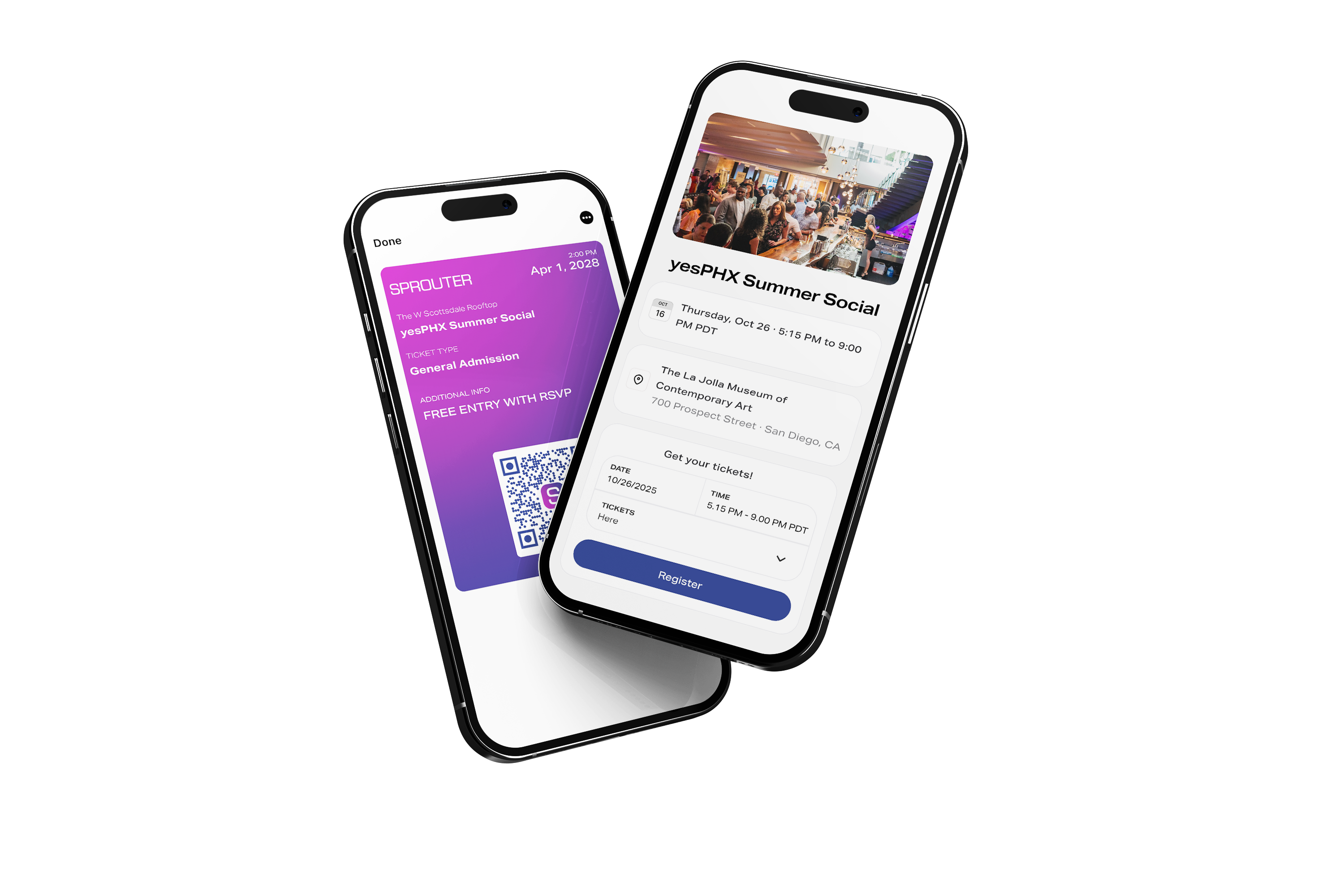
The offline-to-online connection matters here. Physical events should seamlessly connect to digital community infrastructure. QR codes at events can link to community spaces. Registration systems can automatically add attendees to community platforms. Post-event content can be distributed through community channels. The physical and digital reinforce each other.
Platforms like Sprouter enable this integration by connecting event registration, ticketing, and check-in with ongoing digital engagement. Attendees become community members automatically, with their physical engagement informing their digital experience.
Building Community Through Events
Events are the most powerful community-building tool available, which explains why 78% of organizers identify in-person events as their organization’s most impactful marketing channel.
But community-building events differ from traditional marketing events. The goal isn’t just to deliver content or generate leads—it’s to facilitate connections among attendees that outlast the event itself.
Create structured networking. Don’t leave connection to chance. Build activities that require attendees to interact: discussion groups, collaborative exercises, shared meals, peer introductions. The connections formed become community infrastructure.
Establish shared identity markers. Inside jokes, hashtags, traditions, and rituals create sense of belonging. Event experiences that become shared reference points (“We survived the networking challenge!”) strengthen community bonds.
Enable ongoing connection. Every event attendee should have clear paths to continued community engagement. This might mean joining a Discord server, subscribing to a community newsletter, or connecting on a community platform. The event opens the door; digital infrastructure keeps it open.
Recognize and elevate active members. Identify your most engaged community members and give them visibility at events. Speaking opportunities, special recognition, early access—these rewards encourage continued participation and show others what active membership looks like.
Document and share. Events generate content that fuels community engagement for months afterward. Professional photos, attendee testimonials, session recordings, and highlight reels extend event value and remind members why they belong.
Community Beyond Events
Events are powerful, but community building happens through every touchpoint with your brand.
Product experiences. The way customers use your product creates opportunities for community connection. User forums, how-to communities, and customer showcases turn individual product experiences into shared community moments.
Customer support. Support interactions can either be transactional or community-building. When community members help each other solve problems, they form bonds while reducing your support burden. Enable and celebrate this peer support.
Content creation. Invite community members to contribute content—stories, reviews, tutorials, testimonials. This contribution creates investment in community success and provides authentic content that resonates better than brand-produced alternatives.
Feedback and co-creation. Ask community members for input on product development, marketing directions, and company decisions. Even when you can’t implement every suggestion, the consultation builds ownership and belonging.
Local chapters and meetups. Empower community members to organize local gatherings. Provide resources, recognition, and connection infrastructure, but let members lead. Distributed gathering increases engagement surface area without proportionally increasing your operational burden.
The Measurement Shift
Traditional marketing metrics don’t fully capture community value, which is why marketers often undervalue community investment.
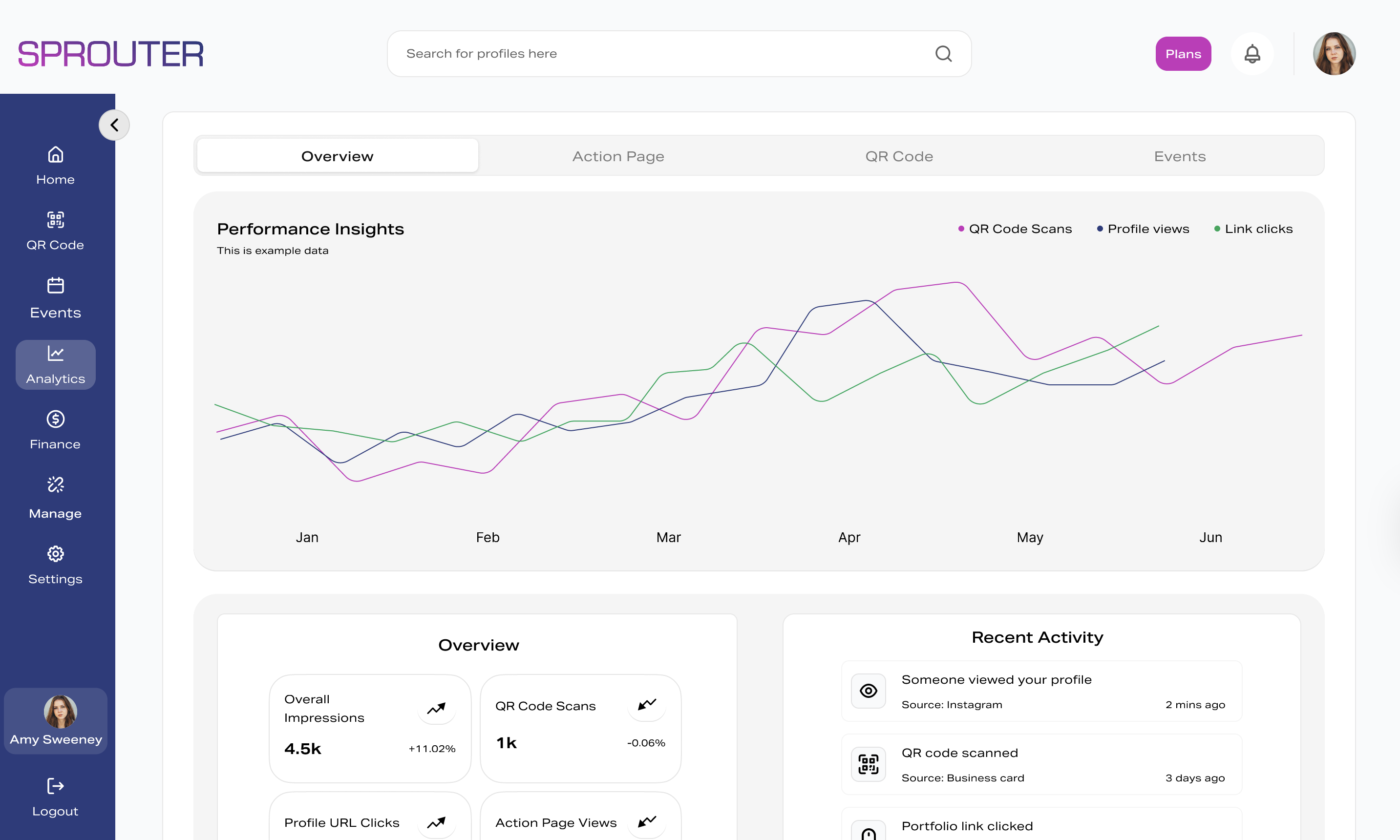
Advertising metrics focus on immediate, attributable actions: impressions, clicks, conversions, cost per acquisition. These metrics work for transactional marketing but miss the compounding value community creates.
Community metrics capture longer-term, relationship-based value:
Retention. 62% of brand communities name retention as their priority metric. If members stay connected to community, it’s a leading indicator of advocacy and sales.
Engagement quality. Not just how many interactions, but how meaningful they are. Deep discussion threads, member-to-member support, and user-generated content indicate community health better than simple engagement counts.
Advocacy. Are members sharing brand content and stories outside the community? This organic amplification represents marketing value that costs nothing to generate.
Member contribution. How many members actively contribute versus passively consume? Healthy communities have high contribution rates because members feel ownership and belonging.
Community-attributed sales. Track purchases that flow from community engagement—event attendance, community referrals, community-exclusive offers. This connects community investment to revenue.
The most important insight: community value compounds over time in ways advertising value cannot. A community member acquired today may generate value for years through repeat purchases, referrals, content creation, and advocacy. Advertising generates transactional value that ends when the campaign ends.
Getting Started with Community
Building community doesn’t require massive investment—it requires genuine commitment to relationship over transaction.
Start with existing customers. You don’t need to build community from scratch. Your current customers already have shared experiences with your brand. Creating space for them to connect and engage is often enough to spark community formation.
Choose your gathering points. Where will community members connect? This might be in-person events, a Discord server, a private Facebook group, a forum on your website, or some combination. The platform matters less than consistent presence and genuine engagement.
Provide genuine value. Community members need reasons to participate beyond brand promotion. Educational content, peer connection, exclusive access, or practical resources give members something valuable in exchange for their engagement.
Show up consistently. Community building requires ongoing presence, not campaign bursts. Regular events, consistent content, responsive engagement—these demonstrate commitment that earns trust over time.
Empower members. The strongest communities are member-driven. Identify and support community leaders. Create opportunities for members to contribute, organize, and shape community direction. Your role shifts from director to facilitator.
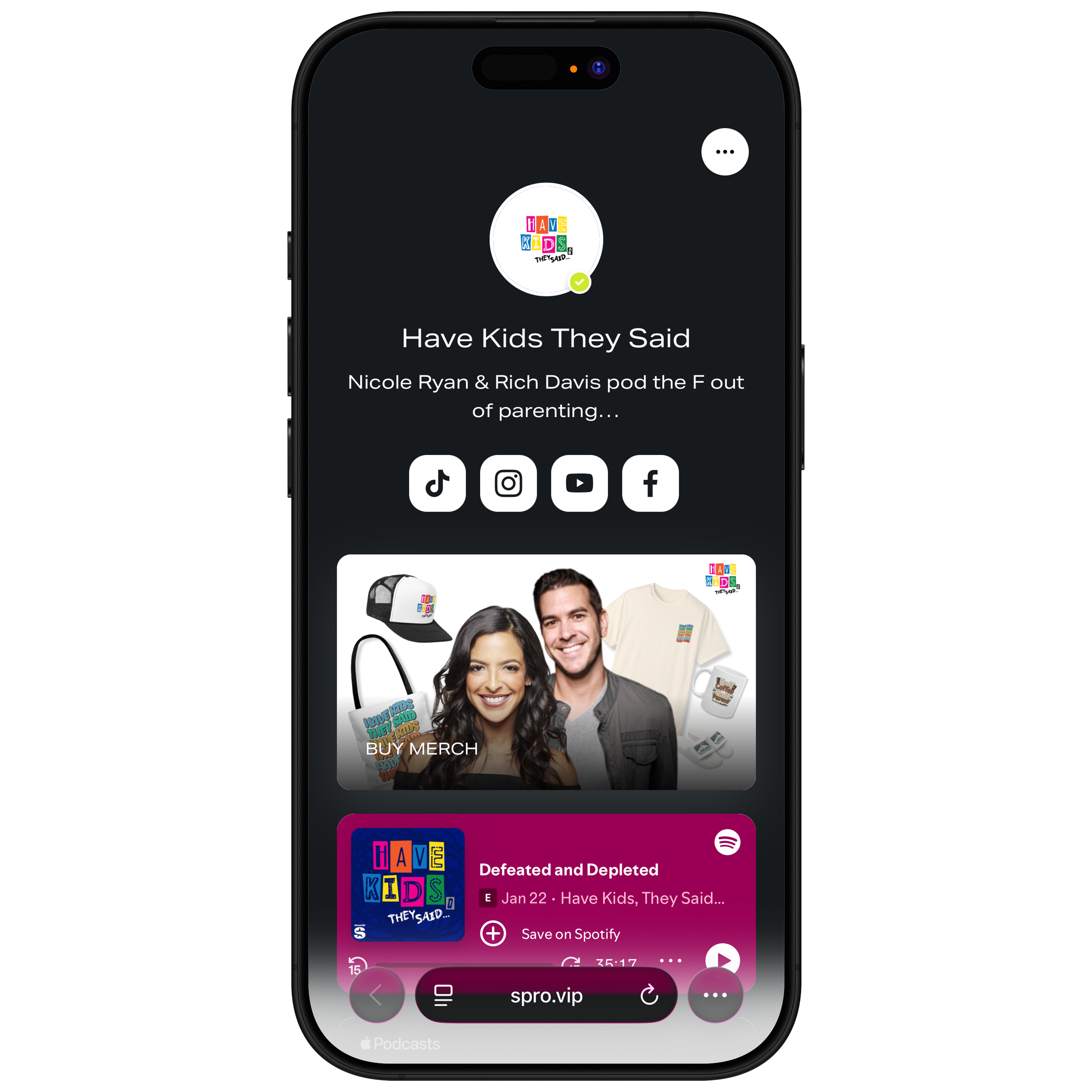
Connect online and offline. Use physical events to strengthen digital relationships and digital tools to extend physical gathering impact. Platforms like Sprouter that integrate event management with ongoing digital engagement through Action Pages make this connection seamless.
The Long View
Community building isn’t a quick win. It requires patience, consistency, and genuine care for members’ experiences. The payoff isn’t immediate ROI but compounding value that strengthens over years.
But consider the alternative. Digital advertising costs continue rising. Platform algorithms become less predictable. Privacy changes erode targeting capabilities. The transactional approach to customer acquisition becomes more expensive and less effective each year.
Community offers an alternative path—one where customer relationships deepen over time, where members become advocates without being paid, where brand presence persists without constant spending. It’s harder to build but impossible to replicate once established.
The brands that will dominate 2026 and beyond aren’t the ones with the biggest advertising budgets. They’re the ones with the strongest communities—groups of passionate members who choose to engage, contribute, and advocate because they genuinely belong.
That community doesn’t build itself. It starts with a decision to prioritize relationship over transaction, connection over conversion, belonging over reach. And it starts now, one meaningful engagement at a time.
Ready to build community around your brand? Sprouter’s platform connects event experiences with ongoing digital engagement through connectivity tools, turning attendees into community members and customers into advocates. Create the infrastructure for lasting connection today.