Pop-up retail has evolved from a scrappy startup tactic into a $10 billion industry segment. Major brands now launch pop-ups alongside small businesses, creators, and independent makers. The appeal is clear: pop-ups let you test markets, create buzz, build customer relationships, and generate sales without the long-term commitment of permanent retail.
But the temporary nature that makes pop-ups attractive also makes them challenging. You don’t have months to build awareness. You don’t get second chances to capture walk-by traffic. Everything—location scouting, promotion, customer experience, and follow-up—needs to execute within a compressed timeline.
This guide covers the marketing strategies that make pop-up shops succeed, from pre-launch promotion to post-event relationship building.
Planning Your Pop-Up Marketing Strategy
Effective pop-up marketing starts long before you open your doors. The weeks leading up to your event determine how many people will know about it and show up.
Define Your Objectives
Not all pop-ups have the same goals. Some prioritize direct sales. Others focus on brand awareness and customer acquisition. Some test products or markets before larger launches. Others create content and buzz for social media.
Your objectives shape everything that follows. A sales-focused pop-up needs strong conversion infrastructure—payment processing, inventory management, shopping bags. An awareness-focused pop-up might prioritize photo opportunities, email capture, and memorable experiences over immediate transactions.
Be specific about success metrics. How many visitors do you want? What revenue target? How many email addresses or social follows? How much earned media? Clear objectives let you measure results and improve future pop-ups.
Location Strategy
Location determines your starting foot traffic, the type of customers you’ll encounter, and the overall vibe of your event. High-traffic areas offer more walk-by visitors but higher costs and more competition for attention. Lower-traffic locations require stronger destination marketing but may attract more intentional visitors.
Consider adjacencies. A pop-up next to complementary businesses—a jewelry maker near a boutique, a food vendor near a brewery—can benefit from shared customer bases. Co-located pop-ups with other brands can share costs and cross-promote.
Timing and Duration
Pop-up duration affects marketing strategy. A single-day event needs concentrated promotional push. A multi-week installation can build momentum over time. Weekend-only schedules create urgency around specific dates.
Build your promotional calendar backward from opening day. How much lead time do you need to generate awareness? What promotional beats will you hit in the final week? Day-of? Each phase requires specific tactics.
Pre-Launch Promotion
The goal of pre-launch promotion is building anticipation so that people actively plan to visit—not just stumble across you.
Email Marketing
If you have an existing email list, your subscribers are your highest-probability visitors. They already know and trust you. Give them compelling reasons to show up.
Start promoting at least two weeks before opening. Send multiple messages as the date approaches: an initial announcement, a preview of what you’ll offer, exclusive perks for subscribers (early access, special discounts), and a final reminder. Segment if possible—local subscribers might get different messaging than those who’d need to travel.
Social Media Campaigns
Social media builds awareness beyond your existing audience. The key is creating content worth sharing, not just promotional posts.
Behind-the-scenes content showing your setup process generates engagement and investment in your pop-up’s success. Countdown posts create urgency. Product previews tease what visitors will find. User-generated content from past events provides social proof.
Consider paid social advertising for geographic targeting. Platforms let you target people in specific locations—ideal for driving local foot traffic. Even modest budgets can significantly extend your reach beyond organic followers.
Local Partnerships
Partner with complementary local businesses for cross-promotion. Coffee shops, boutiques, gyms, and community centers often have audiences that overlap with pop-up shoppers. Offer their customers a special deal, and ask them to promote you to their audience.
Local influencers and media can amplify your reach significantly. Invite them for a preview, offer exclusive early access, or create a partnership that gives them something valuable to share with their audience.
Creating Urgency and Exclusivity
Pop-ups inherently create urgency through their temporary nature. Amplify this through strategic scarcity.
Limited-Time Offers
Discounts or products available only during the pop-up give people a reason to show up rather than “visit your website sometime.” The exclusivity needs to be genuine—if people can get the same deal online next week, the urgency evaporates.
VIP Early Access
Research shows 46% of consumers prefer VIP early access as their top pop-up perk. Offer your email subscribers or loyalty members the chance to shop before general opening. This rewards your best customers while creating a sense of insider access worth signing up for.
Exclusive Products
Limited-edition items or pop-up-exclusive merchandise create collectible urgency. Even variations on existing products—special colorways, signed items, custom configurations—can justify a trip that ordinary availability wouldn’t.
Driving Day-Of Foot Traffic
Even with strong pre-promotion, significant pop-up traffic comes from walk-by visitors. Capture their attention effectively.
Storefront and Signage
Your physical presence is your biggest advertisement. Clear signage identifying what you’re selling, eye-catching displays visible from the street, and an inviting entrance all convert passers-by into visitors.
Don’t assume people will figure out what you do. Explicit messaging—“Handmade jewelry pop-up” or “Vintage clothing sale”—immediately communicates relevance to potential visitors.
Street-Level Marketing
Sidewalk signs, A-frames, and chalk art can capture attention from people who might not notice a storefront alone. Where permitted, team members outside the store can engage pedestrians and invite them in.
Social Media in Real-Time
Post during your pop-up to reach people who might be nearby. Instagram and TikTok content showing crowds, products, or the experience can prompt immediate visits from followers in the area. Geo-targeted posts and stories increase relevance to local audiences.
Encourage visitors to post about their experience. User-generated content extends your reach and provides social proof to others considering a visit.
Capturing Customer Data
Pop-ups generate value beyond immediate sales when you capture data that enables ongoing relationships.
Email Collection
Make email signup easy and valuable. A QR code prominently displayed linking to a signup form with an immediate incentive (discount, exclusive content, giveaway entry) captures contacts without slowing down the shopping experience.
Train your team to invite signups as part of natural interactions. “Want to hear about our next pop-up?” or “We’ll email you when this product restocks” gives concrete reasons to share an email address.
Social Follows
QR codes linking to your social profiles let visitors follow you with a single scan. Displaying your handles prominently encourages people to find you online even if they don’t formally sign up for anything.
Purchase Data
If you’re processing payments, you’re capturing valuable data about what sells. Even simple analysis—which products moved fastest, what price points performed—informs future inventory and pricing decisions.
Creating Shareable Moments
User-generated content from pop-up visitors extends your marketing reach at no additional cost. Design for shareability.
Photo Opportunities
Instagram-worthy backdrops, creative displays, and interactive elements encourage photos. A striking visual installation that includes your branding generates organic promotion every time someone shares a picture.
Consider lighting—many pop-up spaces have challenging lighting for photos. Adding proper lighting where people naturally want to photograph improves the content they’ll create.
Interactive Experiences
Activities that engage visitors create memorable experiences worth sharing. Customization stations, hands-on demonstrations, tastings, or creative interactions give people something to do beyond browse—and something to post about.
Hashtag Strategy
Create a specific hashtag for your pop-up and display it prominently. This aggregates all the content people create, making it discoverable and giving you user-generated content to reshare.
Measuring Pop-Up ROI
Pop-up success should be measured against the objectives you set during planning. Here’s how to track the metrics that matter.
Sales Metrics
Track total revenue, average transaction value, units sold by product, and sales by time period. Compare against any targets you set and against the costs of operating the pop-up.
Traffic and Conversion
Count visitors if possible—door counters, clicker counts, or estimation methods. Compare to sales transactions to understand your conversion rate. High traffic with low conversion suggests issues with merchandise, pricing, or sales approach. Low traffic with high conversion suggests your visitors are well-qualified but you need more of them.
Data Capture
Tally email signups, social follows, and any other data you collected. Calculate your cost per acquisition by dividing pop-up costs by contacts captured. This lets you compare pop-up customer acquisition costs against other channels.
Long-Term Value
The full ROI of a pop-up often unfolds over time. Track purchases from customers acquired at the pop-up over the following months. A customer who spent $50 at the pop-up but goes on to spend $500 over the next year represents much higher value than the immediate transaction indicated.
Post-Pop-Up Follow-Up
The relationship with pop-up visitors shouldn’t end when you close up shop.
Immediate Thank-You
Send an email to everyone you captured within 24-48 hours. Thank them for visiting, share highlights or photos from the event, and give them a reason to stay engaged—a discount for their next purchase, an invitation to follow you online, or a preview of what’s coming next.
Nurture Sequences
Add pop-up visitors to your ongoing email marketing. They’ve demonstrated interest through their physical presence—now continue building the relationship through valuable content and relevant offers.
Feedback Collection
Ask visitors about their experience. What did they enjoy? What would they change? Would they visit another pop-up? This feedback improves future events and shows customers you care about their experience.
Tools for Pop-Up Success
The right tools make pop-up operations smoother and marketing more effective.
Event and Registration Platforms
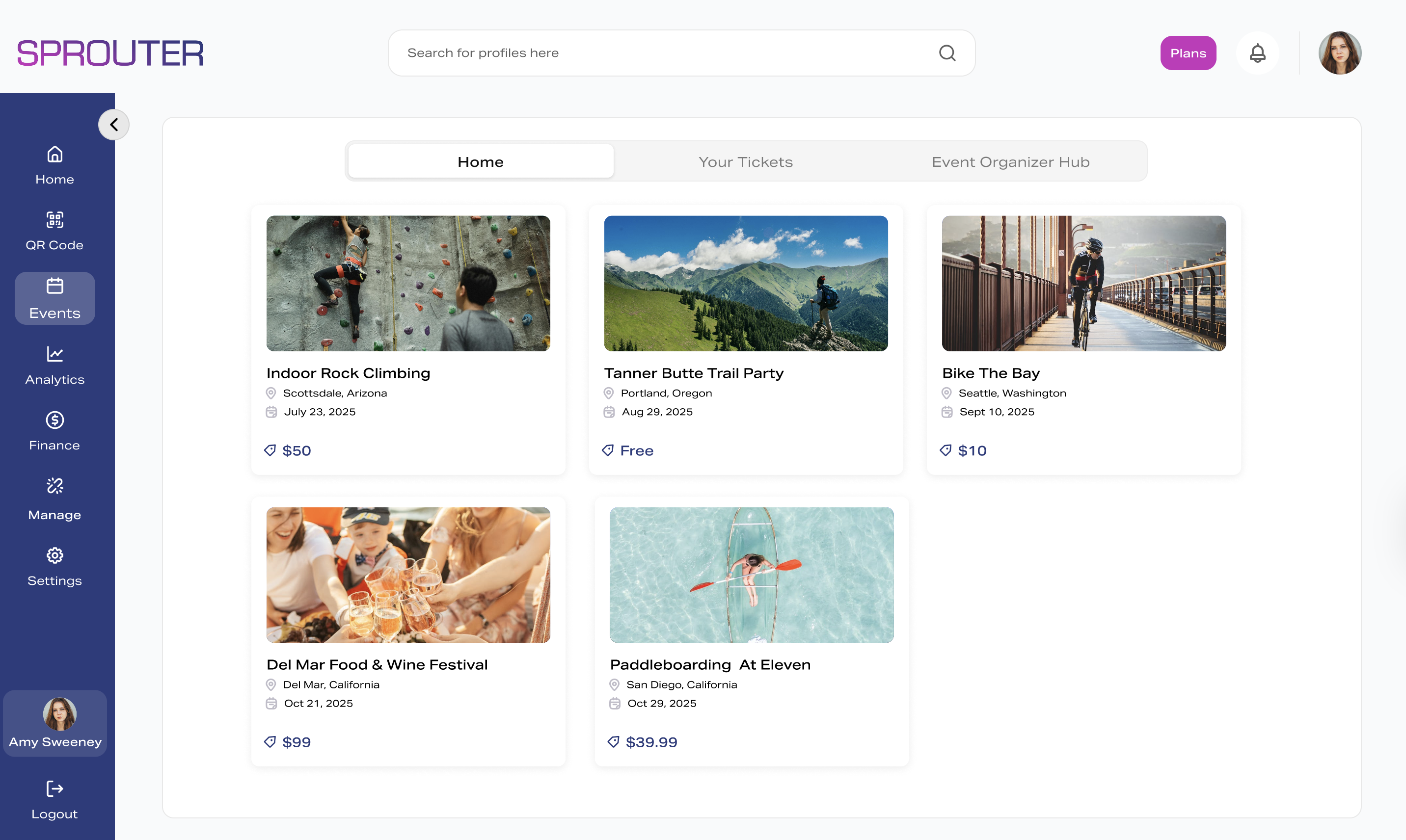
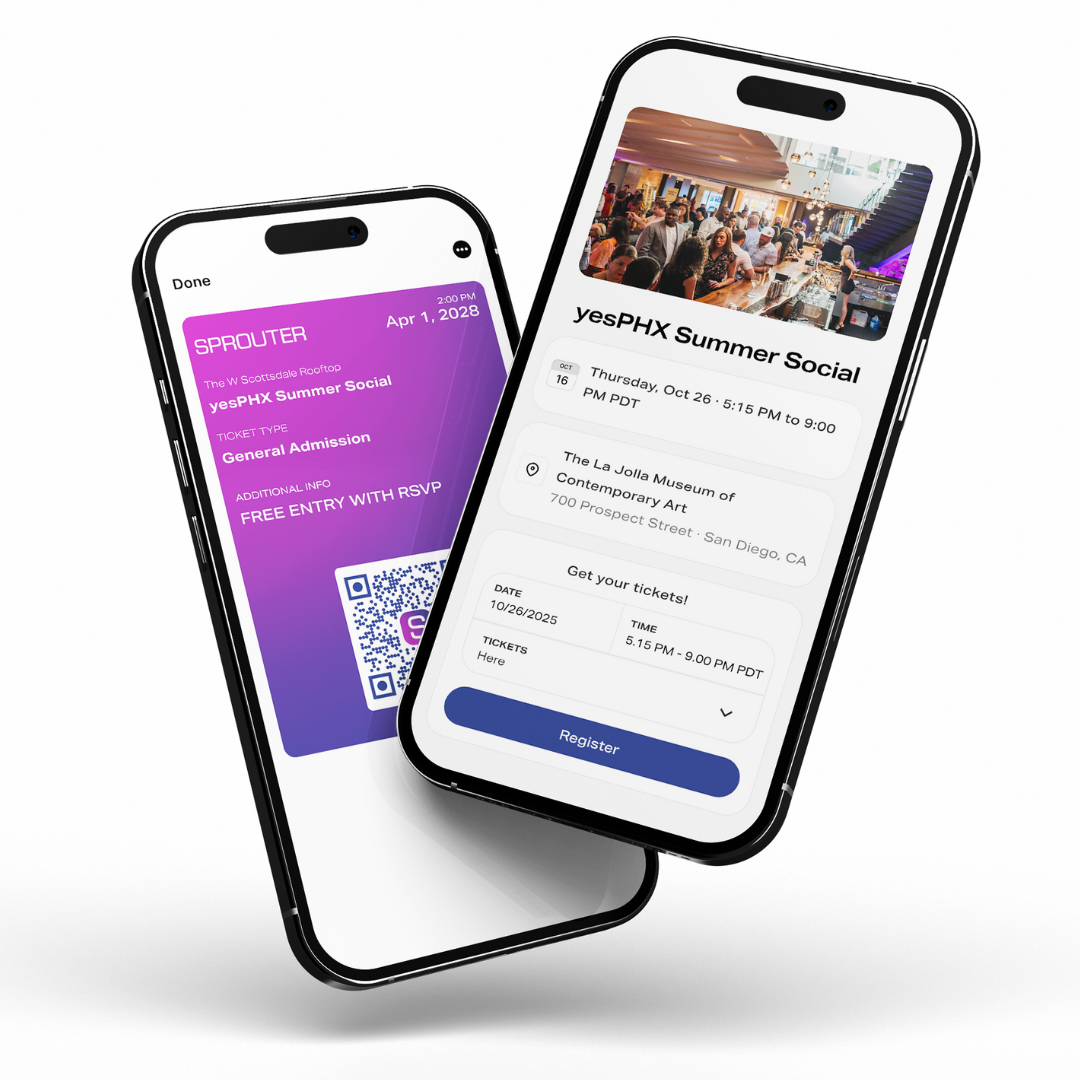
Platforms like Sprouter let you create event pages, handle ticketing for special sessions or VIP access, and capture attendee data in one place. This infrastructure supports both pre-registration and day-of operations.
QR Code Solutions
QR codes enable frictionless connections between physical space and digital presence. Use them for email signup, social follows, product information, payment options, and post-visit engagement.
Planning Your Next Pop-Up
Every pop-up teaches you something. Document what worked, what didn’t, and what you’d do differently. These learnings compound over time, making each subsequent pop-up more effective than the last.
Consider how pop-ups fit into your broader business strategy. They might serve as recurring customer acquisition events, product launch platforms, market testing tools, or brand-building experiences. The most successful pop-up operators treat them as strategic marketing investments, not one-off experiments.
The $10 billion pop-up industry continues growing as brands of all sizes recognize the power of temporary physical presence. With thoughtful planning, effective promotion, and systematic follow-up, your pop-up can generate sales, build relationships, and create the kind of memorable experiences that digital channels simply cannot match.
Planning a pop-up event? Sprouter connects event registration, Dynamic QR Codes, partner-processed ticket checkout, and organizer ACH payout status. Turn your next pop-up into a customer-building event—start with Sprouter today.