You’ve planned an amazing event. Now you need people to show up. But your marketing budget? Let’s just say it’s more “scrappy startup” than “Super Bowl commercial.”
Good news: some of the most effective event promotion strategies cost little to nothing. In 2026, small businesses and event organizers are using creativity, community, and digital tools to fill rooms without filling credit card statements.
Whether you’re hosting a workshop, launching a product, throwing a community gathering, or organizing a conference, these proven strategies will help you maximize attendance without maximizing expenses.
Build Your Foundation First
Before spending any money—or time—on promotion, nail down these fundamentals.
Define Your Target Attendee
Who exactly should attend your event? Be specific. “Everyone” is not an audience. “Marketing managers at startups with 10-50 employees who struggle with lead generation” is an audience you can actually find and speak to.
Understanding your ideal attendee shapes every promotional decision: where you advertise, what message you craft, which partnerships make sense, and how you design your event page.
Craft Your Value Proposition
Why should someone give up their time to attend your event? What will they learn, experience, or gain that they can’t get elsewhere?
Your value proposition should answer the attendee’s internal question: “What’s in it for me?” Lead with that answer in all your promotional materials.
Set Measurable Goals
Define success before you start promoting. How many attendees do you need? What’s your target registration conversion rate? What registration deadline are you working toward?
Clear goals help you allocate limited resources to the tactics most likely to deliver results.
Free and Low-Cost Promotion Channels
1. Leverage Your Email List
If you have an existing email list, you have your most valuable promotional asset. These people already know you and have opted in to hear from you.
The Announcement Sequence Don’t send just one email. Create a sequence:
- Initial announcement with early-bird incentive
- Details and speaker/content highlights
- Social proof (testimonials, registration milestones)
- Deadline reminder
- Final day urgency push
Segmentation Strategy If your list is large enough, segment by relevance. Send targeted messages to the subscribers most likely to be interested based on their past engagement or expressed interests.
2. Social Media Organic Strategy
Paid social advertising works, but organic reach—when done well—still moves needles.
Content Calendar Approach Don’t post randomly. Create a content calendar with varied post types: event announcements, behind-the-scenes preparation, speaker spotlights, testimonials from past events, countdown posts, and valuable content related to your event theme.
Platform-Native Content Each platform has its own content style. A LinkedIn post shouldn’t be a copy-paste of your Instagram caption. Tailor format, tone, and visuals to each platform.
Stories and Reels Short-form video gets prioritized by algorithms. Behind-the-scenes clips, quick speaker intros, and countdown content perform well in Stories and Reels formats.
3. Partner Cross-Promotion
Identify organizations, businesses, or individuals who serve your target audience but aren’t direct competitors. Propose mutual promotion: you’ll share their content or offer, and they’ll promote your event.
Partnership Ideas
- Co-host with a complementary business
- Ask speakers to promote to their audiences
- Partner with relevant professional associations
- Collaborate with local business groups
- Reach out to relevant newsletters or podcasts
The math works in everyone’s favor: you each get access to audiences you couldn’t reach alone.
4. Micro-Influencer Collaboration
You don’t need celebrities. Micro-influencers with 1,000-10,000 followers often have higher engagement rates and more trust within their niche communities.
Offer free admission, exclusive access, or other non-cash value in exchange for promotion. Many micro-influencers will post about experiences they genuinely enjoyed without requiring payment.
5. Community Platform Engagement
Where does your target audience already gather online? Participate authentically in those spaces.
Facebook Groups Join groups relevant to your event topic. Provide value—answer questions, share insights—before promoting your event. Many groups have promotional guidelines; follow them.
Reddit Find relevant subreddits. Reddit users are allergic to spam but receptive to genuine community members sharing relevant events. Build karma before promoting.
Discord and Slack Communities Industry-specific communities often have channels for event sharing. Join the community, contribute, then share your event appropriately.
6. Local Media Outreach
Local newspapers, community blogs, and regional news sites need content. If your event has a newsworthy angle—community benefit, unique concept, local expertise—pitch it.
Local Event Calendars Most local publications maintain event calendars. Submit your event to every relevant one—it’s free exposure to locals actively looking for things to do.
7. Referral and Ambassador Programs
Turn your existing registrants into promoters. Offer incentives for bringing friends: discounted tickets, exclusive access, recognition at the event, or small gifts.
Simple Implementation Create unique referral links or codes for each registrant. Track who drives registrations and reward top referrers.
Even without formal tracking, simply asking registrants to invite colleagues and friends generates additional attendance.
Physical and Grassroots Tactics
8. Flyer and Poster Distribution
Physical promotion still works, especially for local events. Design eye-catching flyers with QR codes linking directly to your registration page.
Placement Strategy
- Coffee shops with community bulletin boards
- Coworking spaces
- Libraries
- Community centers
- Partner business locations
- College campuses
- Gyms and fitness studios
One effective flyer in a high-traffic location can generate more registrations than a dozen poorly targeted social posts.
9. Speak at Related Events
If your event is still weeks away, speak at related gatherings and mention your upcoming event. Provide genuine value first, then let attendees know about your event at the end.
Guest appearances on podcasts or webinars work similarly—share expertise, then mention the event to listeners who want to go deeper.
10. Networking in Person
Attend industry meetups, conferences, and gatherings where your target attendees congregate. Have conversations, build relationships, and mention your event naturally.
Bring business cards or a QR code that links directly to event registration. When someone expresses interest, give them an immediate way to learn more.
Digital Optimization
11. Event Landing Page Optimization
Your registration page needs to convert visitors into registrants. Optimize for:
Speed Slow-loading pages kill conversions. Test your page on mobile devices and optimize images and scripts.
Clarity Visitors should understand what the event is, when it happens, where it is, and how to register within seconds of landing.
Urgency Use countdown timers, limited spots messaging, and early-bird deadlines to encourage immediate action.
Mobile Experience Most traffic comes from mobile devices. Test your entire registration flow on a phone.
Social Proof Display past testimonials, speaker credentials, or registration counts to build credibility.
12. Search Engine Optimization
If your event topic has search volume, optimize your event page for relevant keywords.
Local SEO For location-specific events, include city and venue names. Register on local business directories and event listing sites.
Long-Tail Keywords Target specific phrases your audience searches: “[Topic] workshop in [City],” “[Industry] conference 2026,” “how to [skill your event teaches].”
13. Retargeting on a Budget
Someone visited your event page but didn’t register. That’s valuable intent. Even with a small budget, retargeting can bring them back.
Platforms like Facebook and Google allow small daily budgets. Even $5/day in retargeting ads reaching warm visitors often outperforms larger budgets reaching cold audiences.
14. Leverage Free Event Listing Platforms
Submit your event to every relevant free listing site:
- Eventbrite (even for free events)
- Facebook Events
- Meetup
- LinkedIn Events
- Local event calendars
- Industry-specific event directories
These platforms have built-in audiences actively searching for events. A few minutes of listing time can generate meaningful registrations.
15. Create Urgency Without Sleaze
Urgency drives action, but fake urgency damages trust.
Legitimate Urgency Tactics
- Early-bird pricing with real deadlines
- Limited capacity (if genuinely limited)
- Speaker or content available only to registrants
- Exclusive bonuses for early registrants
What to Avoid
- Fake countdown timers that reset
- Artificial scarcity when capacity isn’t limited
- Pressure tactics that feel manipulative
Honest urgency respects your audience while encouraging timely decisions.
Maximizing Your Promotion Impact
Every promotional touchpoint should make registration easy. Long URLs get lost. Complicated registration forms get abandoned.
Use QR codes on physical materials to eliminate typing. Create short, memorable URLs for verbal sharing. Ensure your registration page loads instantly and works flawlessly on mobile.
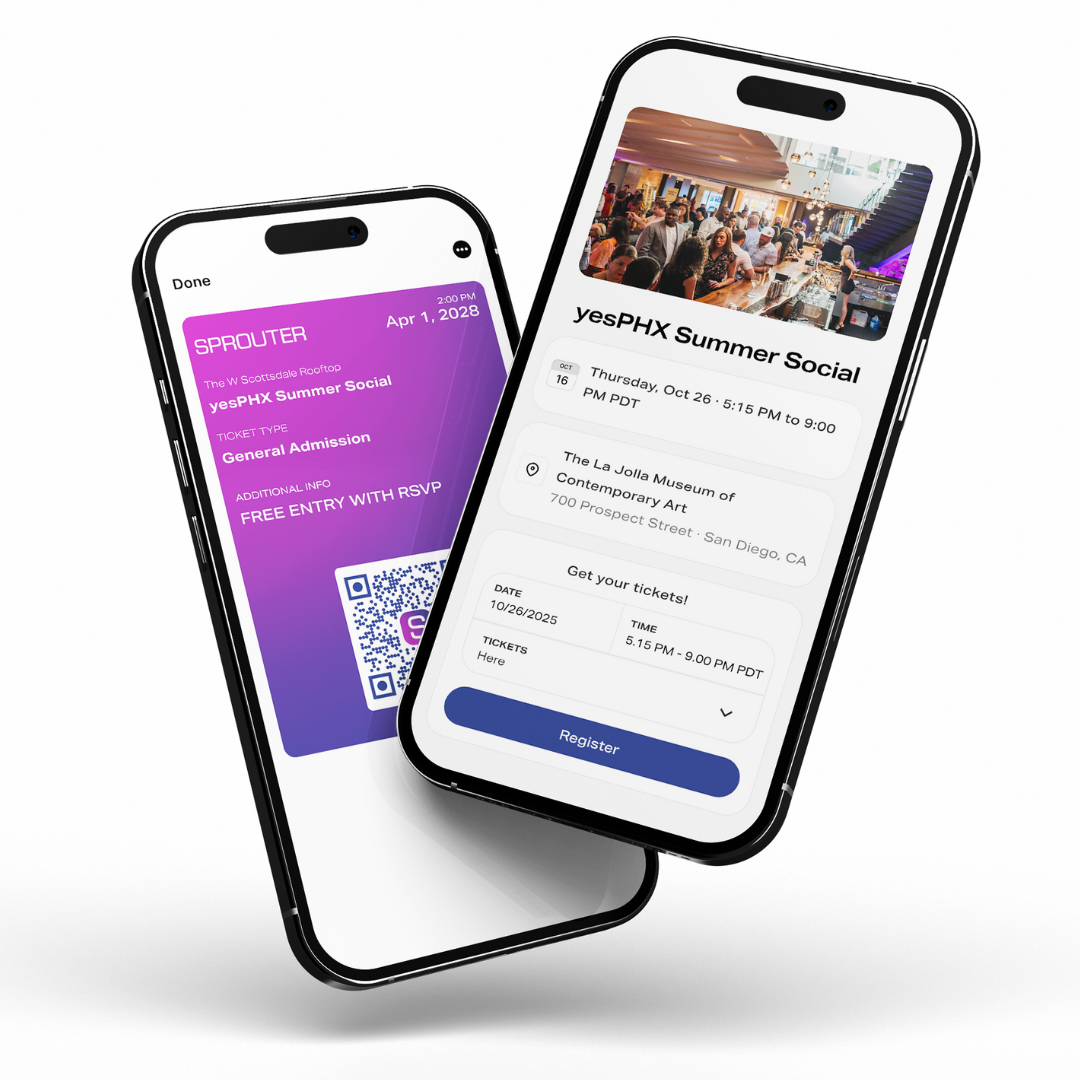
Sprouter’s Action Pages let you create registration-ready landing pages that work seamlessly with QR codes. When someone scans a flyer or poster, they land on a mobile-optimized page designed to convert—capturing registrations without technical hassle or monthly software fees.
Your event deserves attendees. These strategies help them find you, without requiring a budget you don’t have.
Need a registration page that actually converts? Create a free Sprouter Action Page with built-in QR codes and start filling seats today.