When someone searches “coffee shop near me” or “plumber in [your city],” they’re ready to buy. They have a problem, they need a solution, and they’re looking for a business like yours to solve it. The question is whether your business shows up—and whether it appears above your competitors.
Local SEO determines who wins these high-intent searches. And in 2026, with AI Overviews reshaping search results and voice search continuing to grow, the businesses that master local optimization will capture customers their competitors never even see.
Nearly everyone—99% of consumers—has searched for information about a local business online. And 76% of people who search for something nearby on their smartphone visit a physical location within a day. That’s not future potential. That’s customers walking through doors right now, if your local SEO is working.
Understanding Local Search Results
Before optimizing, you need to understand what you’re optimizing for. Local searches trigger several distinct result types on Google.
The Local Map Pack
The Map Pack—sometimes called the Local 3-Pack—shows the top three local businesses for a search query, complete with ratings, hours, and directions. This prime real estate sits at the very top of search results, above organic listings.
Getting into the Map Pack requires a combination of Google Business Profile optimization, reviews, and proximity to the searcher. Businesses in the Map Pack capture the lion’s share of local clicks.
AI Overviews
In 2026, Google increasingly displays AI-generated summaries for local searches. These overviews often pull information directly from Google Business Profiles, making accurate, complete profile information more important than ever.
Local Organic Results
Below the Map Pack, you’ll find traditional organic listings. These typically include local business websites, directory listings, and review sites. Ranking here requires standard SEO fundamentals combined with local signals.
Google Business Profile: Your Foundation
Your Google Business Profile (formerly Google My Business) is the single most important asset for local SEO. If you do nothing else, optimize your GBP thoroughly.
Claiming and Verification
First, verify that you control your listing. Search for your business name on Google and check if a knowledge panel appears on the right side of results. If your business shows but you don’t control it, you’ll need to claim the listing through Google’s verification process.
Verification typically happens through postcard, phone, email, or video call. Once verified, you gain full control to manage and optimize your profile.
Essential Profile Elements
Business Name Use your exact legal business name. Adding keywords (like “Bob’s Plumbing - Best Plumber in Austin”) violates Google’s guidelines and can result in suspension.
Address and Service Area Enter your physical address exactly as it appears on your website and other listings. Consistency across all platforms—called NAP consistency (Name, Address, Phone)—is crucial for local rankings.
Business Category Choose your primary category carefully—it heavily influences which searches you appear for. Add relevant secondary categories to expand your reach, but only select categories that accurately describe what your business does.
Hours of Operation Keep hours current, including holiday schedules. Nothing frustrates customers more than showing up to a closed business because online hours were wrong.
Business Description Write a compelling description that explains what you offer, who you serve, and what makes you different. Include relevant local keywords naturally, but prioritize clarity over keyword stuffing.
Advanced GBP Optimization
Photos and Videos Profiles with photos receive significantly more clicks and direction requests. Upload high-quality images of your exterior (helping customers recognize your location), interior, products, services, and team. Update photos regularly—Google favors active, maintained profiles.
Google Posts Posts let you share updates, offers, events, and news directly on your profile. They appear in your knowledge panel and keep your listing fresh. Post weekly to signal activity and engagement.
Products and Services List your products and services with descriptions and prices. This information helps Google understand what you offer and can appear directly in search results.
Q&A Section The Q&A feature allows anyone to ask questions about your business. Proactively seed this section with common questions and helpful answers. Monitor for new questions and respond promptly.
Reviews: Your Reputation Engine
Reviews directly influence local search rankings and dramatically affect click-through rates. A business with 4.5 stars and 200 reviews will outperform a competitor with 4.0 stars and 50 reviews in almost every scenario.
Generating More Reviews
The simplest way to get more reviews is to ask. Train your team to request reviews from satisfied customers at the moment of positive interaction.
Create a direct review link that takes customers straight to your Google review form—eliminating friction increases completion rates. Share this link via email follow-ups, text messages, receipts, or QR codes in your physical location.
Responding to Reviews
Respond to every review, both positive and negative. This signals to Google that you actively manage your business and signals to potential customers that you care about feedback.
For negative reviews, respond professionally and constructively. Acknowledge the concern, apologize for the experience, and offer to resolve the issue offline. Future customers reading your response are judging how you handle problems.
Local Keyword Strategy
Local SEO requires targeting keywords that include geographic modifiers or local intent signals.
Keyword Types
Explicit Local Keywords: Include the location name
- “dentist in Chicago”
- “Chicago dentist”
- “dentist 60601”
Implicit Local Keywords: Trigger local results without location
- “dentist near me”
- “dentist open now”
- “emergency dentist”
Hyper-Local Targeting
Don’t just target your city—target neighborhoods, districts, and surrounding areas. Create content specifically addressing each micro-market you serve.
A landscaper in Phoenix might create separate pages for “landscaping in Scottsdale,” “landscaping in Tempe,” and “landscaping in Mesa”—each with unique content relevant to that area.
Building Local Authority
Beyond your website and GBP, external signals influence local rankings.
Local Citations
Citations are mentions of your business name, address, and phone number on other websites. They validate your business’s existence and location.
Ensure consistent NAP information across major directories: Yelp, Yellow Pages, Apple Maps, Bing Places, Facebook, and industry-specific directories. Inconsistencies confuse search engines and hurt rankings.
Local Backlinks
Links from other local websites signal community authority. Pursue links from local news sites, chambers of commerce, local business associations, and community organizations.
Sponsor local events, participate in community initiatives, and build relationships with other local businesses. These activities naturally generate local backlinks.
Local SEO and Physical Customer Capture
Ranking in local search gets customers to your door, but capturing their information enables ongoing marketing. When someone visits your location, make it easy to stay connected.
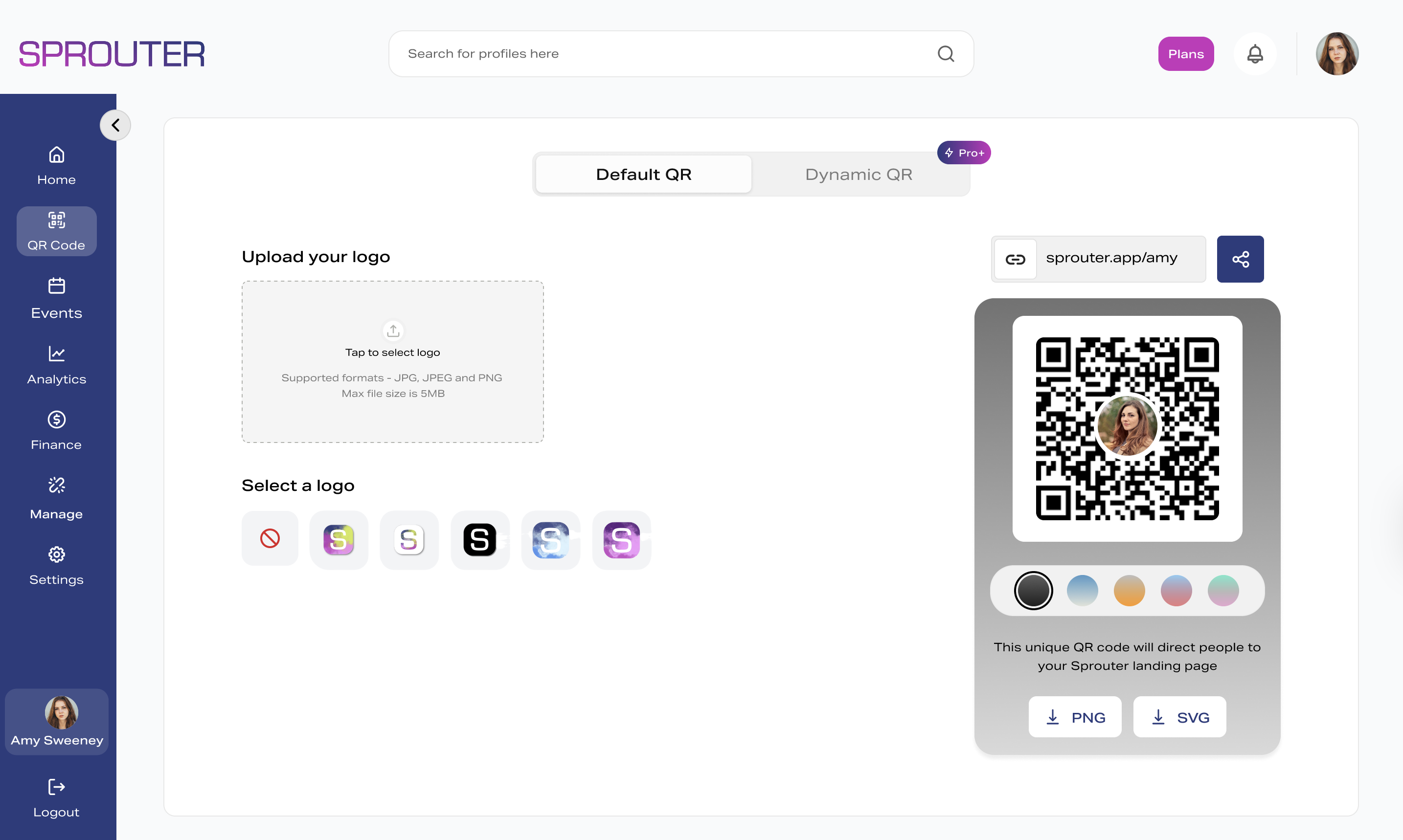
QR codes at checkout can link to your digital presence, allowing customers to join your email list, follow your social profiles, or access exclusive offers. This transforms one-time visitors into repeat customers you can market to directly.
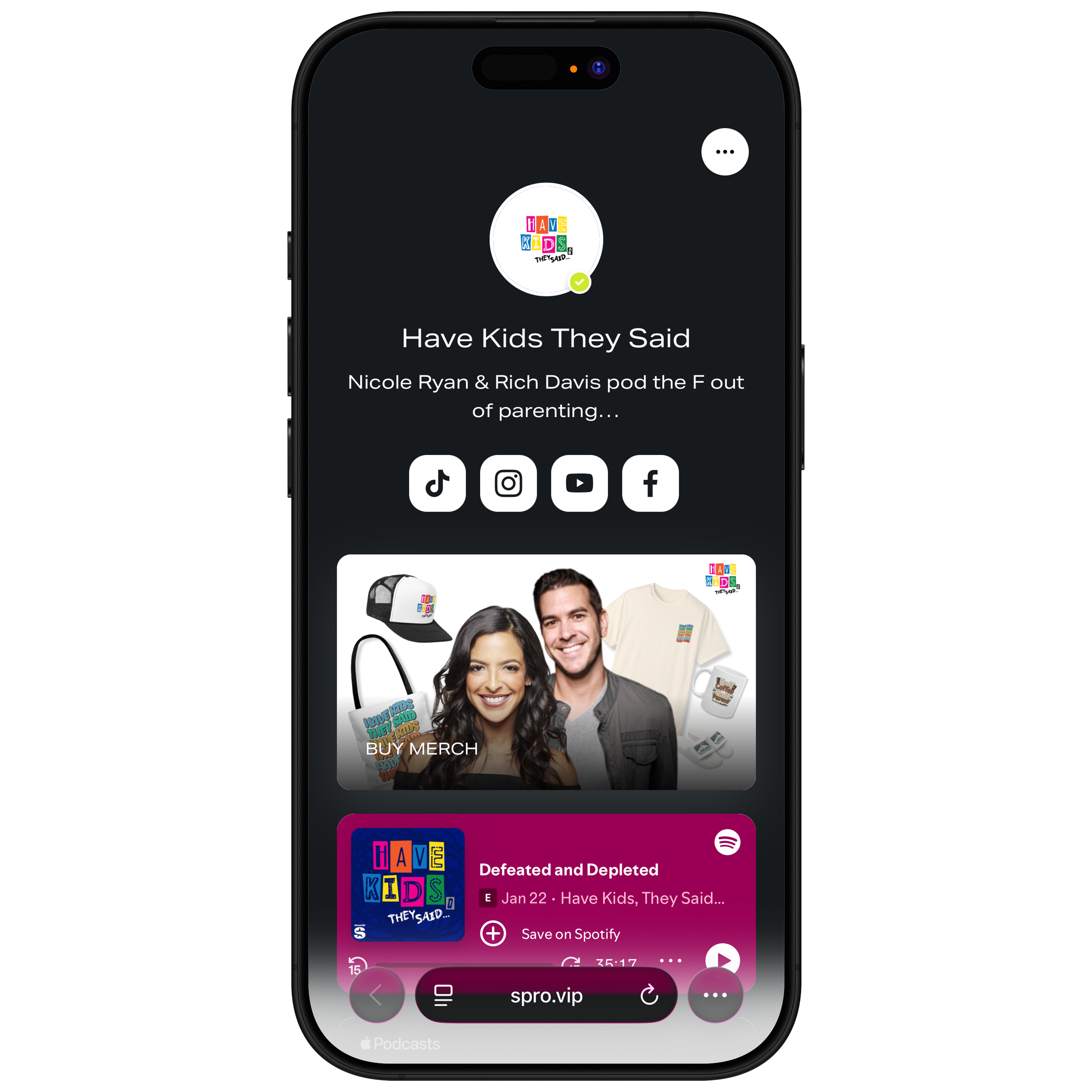
Sprouter’s Action Pages with integrated QR codes make this seamless—customers scan, land on your mobile-optimized page, and you capture their contact information without disrupting the in-person experience.
Your Local SEO Action Plan
Local SEO isn’t a one-time project—it’s ongoing maintenance and optimization. Start with these priorities:
- Claim and fully optimize your Google Business Profile
- Ensure NAP consistency across all online mentions
- Implement a review generation system
- Create location-specific website content
- Build local citations and backlinks
- Monitor and respond to all reviews
The businesses that invest in local SEO today will dominate the “near me” searches that drive foot traffic tomorrow. Your competitors are already showing up. Make sure you’re showing up above them.
Want to capture more value from your local customers? Sprouter helps you create QR code campaigns and landing pages that turn walk-in traffic into lasting relationships. Start building your local presence today.