The creator economy has matured beyond hype into economic reality. Currently valued at approximately $250 billion globally and projected to reach nearly $500 billion by 2027, this isn’t an emerging market—it’s a fundamental shift in how people build businesses, earn income, and connect with audiences.
Over 207 million people worldwide now identify as content creators, with 45 million in the United States alone working professionally in this space. The ecosystem supporting them—platforms, tools, payment systems, and marketing partnerships—continues evolving rapidly.
For creators building sustainable careers and businesses working with them, understanding what’s changing matters more than ever.
The Revenue Diversification Imperative
Relying on a single income stream has always been risky for creators. In 2026, that risk feels increasingly acute as platform monetization policies shift, algorithm changes affect reach unpredictably, and competition for attention intensifies.
Successful creators are actively diversifying across multiple revenue sources:
Brand Partnerships Remain Dominant
Nearly 69% of creators cite brand collaborations as their primary income source. Creator marketing spending hit $37.1 billion in 2025 and is projected to reach $43.9 billion in 2026, with paid amplification of creator content seeing particularly strong growth.
But the nature of these partnerships is evolving. Brands increasingly want measurable outcomes rather than reach metrics alone. Creators who can demonstrate attribution—showing that their content drives actual sales, signups, or engagement—command premium rates.
Direct Monetization Is Growing
Subscriptions, courses, digital products, and direct sales let creators capture more value from their audience relationships. Platforms like Patreon, Substack, and creator-focused commerce tools make direct monetization more accessible than ever.
The subscription segment specifically is projected to grow at the fastest rate through 2035, reflecting audience willingness to pay for direct access to creators they value.
Events and Experiences Are Expanding
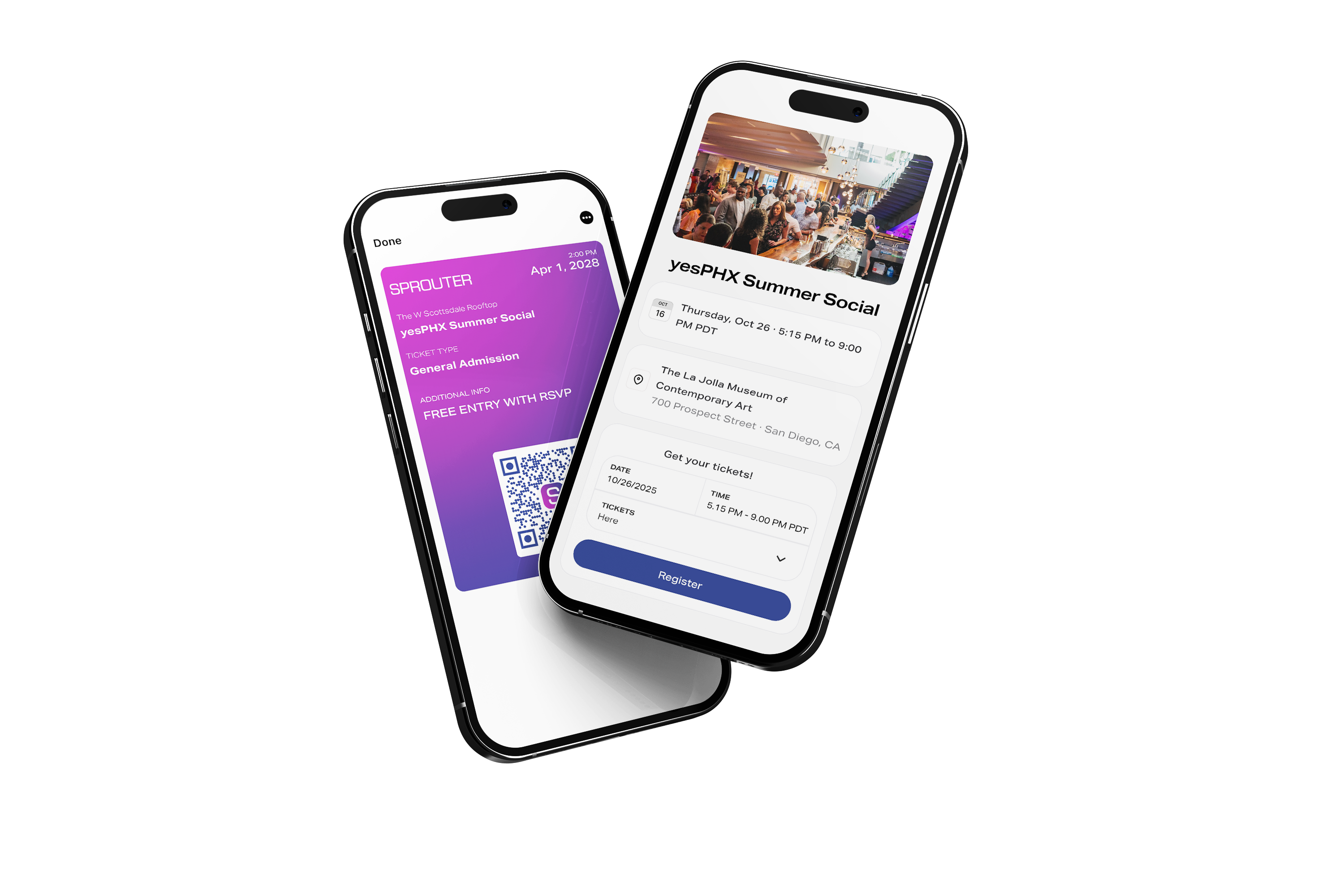
Creator-led events provide a perfect blend of community engagement and revenue generation. Research shows strong interest in influencer-hosted events, with two-thirds of potential attendees open to attending in the future. From workshops and masterclasses to live performances and meetups, in-person experiences deepen audience relationships while generating meaningful income.
The Platform Diversification Strategy
Platform dependency remains one of the greatest risks creators face. Algorithm changes, policy shifts, or declining platform relevance can devastate businesses built on single-platform foundations.
Multi-Platform Presence Is Standard
According to recent research, 45% of creators plan to expand to YouTube this year, while 41% are expanding equally to Instagram and TikTok. Notably, 35% are expanding to Facebook—a platform many had written off—and 25% are exploring Snapchat following improved monetization programs.
The strategy isn’t necessarily being active everywhere, but maintaining presence across platforms that serve different audience segments and use cases.
Owned Audience Infrastructure Is Essential
The most sustainable creator businesses are those that own their audience relationships rather than renting access through platforms. Email lists, SMS subscribers, and direct communication channels can’t be taken away by algorithm changes.
First-party data—information about your audience gathered directly through your own channels—has become increasingly valuable as third-party tracking capabilities decline. Creators who build owned audience infrastructure gain both security and strategic advantage.
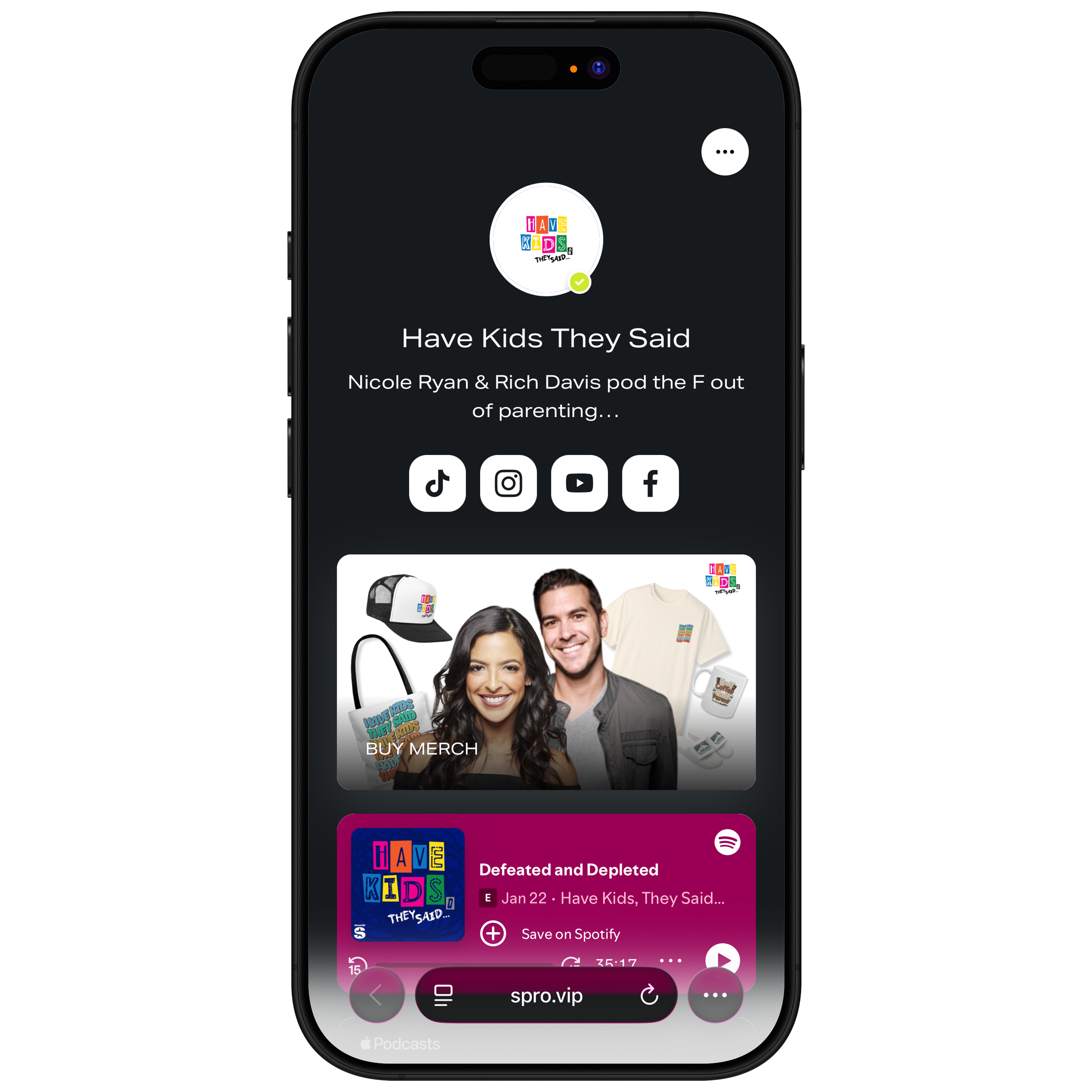
Sprouter addresses this directly by helping creators build platform-independent follower lists, enabling direct messaging with fans, and providing a controllable home base through Action Pages that you own regardless of what happens on any particular social platform.
The Micro and Nano Creator Opportunity
The era of mega-influencer dominance is shifting. Brands are realizing that engagement rates matter more than raw follower counts, and smaller creators often deliver more authentic, higher-converting partnerships.
92% of Marketers Plan Mixed Approaches
Research shows overwhelming brand interest in working with both macro (100K-500K followers) and micro (5K-100K followers) creators simultaneously. The one-size-fits-all approach is giving way to strategic portfolio allocation based on campaign goals.
Nano Creators Generate 50% Higher Engagement
Creators with smaller, highly engaged audiences often outperform larger accounts on engagement metrics. Their recommendations feel more authentic and their communities more trusting—valuable attributes for brands seeking genuine influence rather than mere reach.
The Income Reality Check
Despite the opportunity, the creator economy remains challenging for many. Over 57% of full-time creators earn below the U.S. living wage, while the top 10% earn an average of $48,500 per month. The gap between professional-level success and subsistence-level income remains wide.
Understanding this reality matters for anyone entering the creator economy with realistic expectations—and for platforms and tools working to help creators succeed.
AI as Creator Tool (Not Creator Replacement)
Artificial intelligence is reshaping creator workflows, though perhaps not in the ways early headlines suggested. Rather than replacing human creativity, AI is emerging as a production multiplier.
77% of Marketers Are Shifting Budget
Brands plan to divert budgets from traditional creator marketing toward AI-generated creator content. This doesn’t mean replacing human creators entirely—it means using AI to scale production, automate editing, and generate variations more efficiently.
30% of Companies Using AI for Testing
AI tools help creators test content variations, optimize posting times, and personalize content for different audience segments. The efficiency gains are real, letting creators produce more while maintaining quality.
Authenticity Remains Irreplaceable
Despite AI capabilities, human creativity, personality, and authentic connection remain the foundation of successful creator businesses. AI can assist with production tasks; it can’t replicate the trust audiences place in creators they genuinely connect with.
The Professionalization of Creator Business
Content creation increasingly resembles traditional business operations, with professional infrastructure replacing ad-hoc approaches.
Creator-as-Media-Company
Successful creators are building teams, establishing processes, and operating with business discipline. This includes proper financial management, strategic planning, and investment in tools and infrastructure that support growth.
Platform-Creator Relationships Are Maturing
Social platforms are offering improved monetization programs, creator funds, and revenue sharing arrangements to attract and retain top talent. The competition for creator attention has shifted power dynamics, giving established creators more leverage in platform relationships.
Business Tools Are Creator-Specific
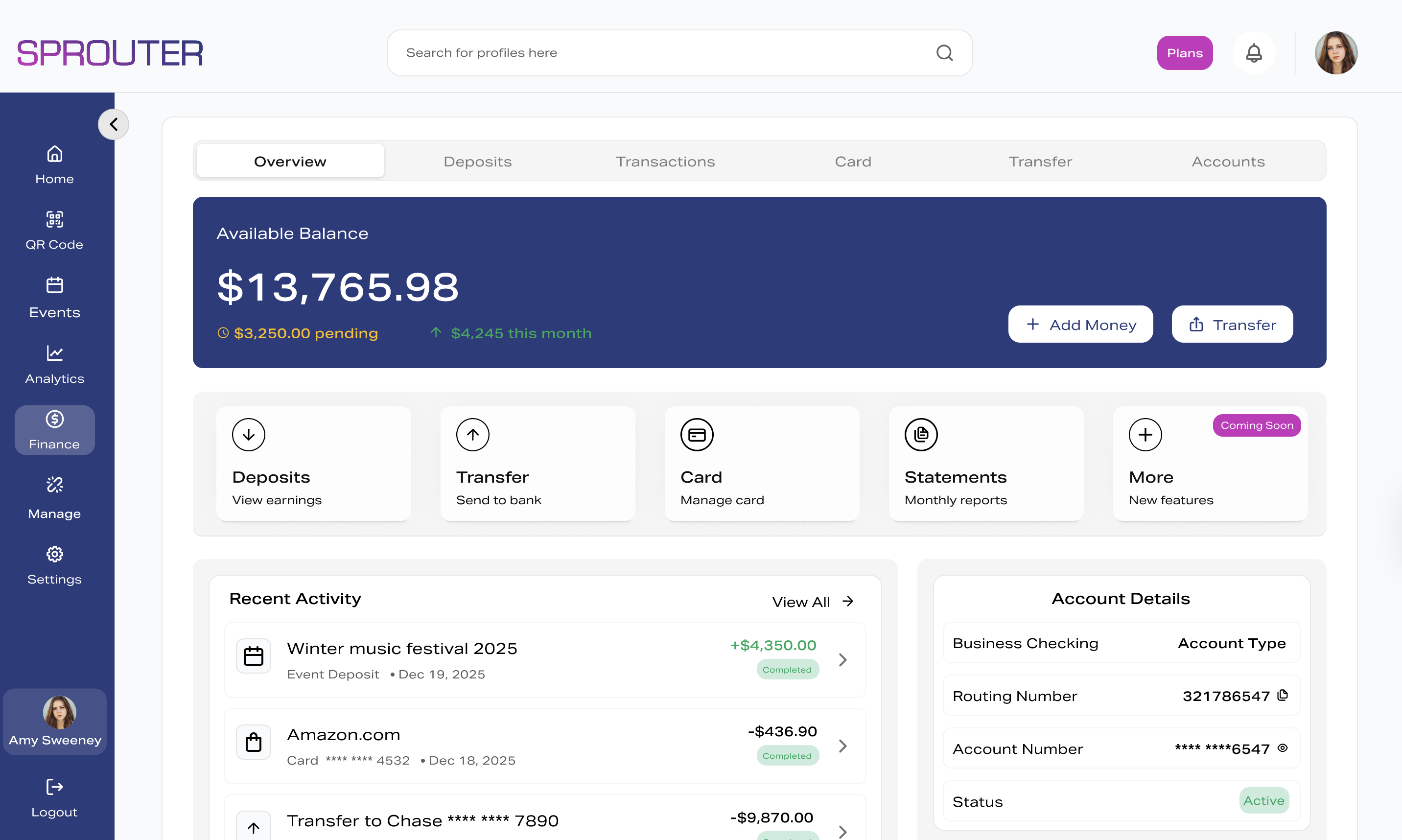
Generic business tools often miss creator-specific needs. Purpose-built platforms that understand creator workflows—combining link management, audience building, event ticketing, and payments in creator-friendly packages—are gaining adoption over cobbled-together solutions.
The LinkedIn Surprise
Perhaps the most unexpected development: LinkedIn is emerging as a legitimate creator platform beyond B2B content.
New video tools, improved content metrics, and expanded discovery features have attracted creators from unexpected industries—including beauty, fashion, and lifestyle. Brands like K18 and Vegamour have launched B2C creator campaigns on LinkedIn, suggesting broader opportunities ahead.
For creators building professional authority or targeting business-adjacent audiences, LinkedIn’s evolution deserves attention.
The Gen Alpha Factor
While much attention focuses on Gen Z, Gen Alpha (born 2010-2025) is emerging as a significant audience segment with distinct preferences.
Their spending power is increasing rapidly, and their media consumption patterns differ from older generations. Notably, they’re highly loyal to YouTube, making the platform critical for reaching younger audiences. Brands are responding with age-appropriate products and creator partnerships specifically designed for this demographic.
Creators and brands ignoring Gen Alpha risk being late to a demographic shift already underway.
Trends Shaping 2026 and Beyond
Experiential Marketing Integration
Creator content is increasingly blending with offline experiences. Pop-up events, branded activations, and IRL meetups extend creator influence beyond screens while generating content for online channels.
Performance Measurement Evolution
Marketers’ biggest anticipated challenge is demonstrating ROI from creator investments. Tools and methodologies for attribution are improving, and creators who can prove business impact will command premium partnerships.
Platform Subscriber Models
Social platforms are pursuing creator exclusivity through subscriber revenue sharing and other perks. While not explicit requirements, these incentives shape creator decisions about where to focus effort.
Serialized Content Formats
Creators who produce episodic or repeatable formats—recurring characters, thematic series, defined content universes—consistently outperform those producing disconnected one-off content. Audiences crave continuity and creators benefit from production efficiency.
Building for Sustainability
The creator economy offers genuine opportunity, but sustainable success requires intentional infrastructure:
Own Your Audience
Build direct communication channels that exist outside any single platform. Email lists, SMS subscribers, and follower databases you control provide security against platform changes.
Diversify Revenue Streams
Don’t depend entirely on brand deals, ad revenue, or any single monetization method. Mix revenue sources to smooth income volatility.
Invest in Tools
Professional infrastructure—from content creation to audience management to payments—pays dividends in efficiency and professionalism. Platforms like Sprouter help creators consolidate tools that would otherwise require multiple subscriptions and complex integrations.
Think Long-Term
Quick viral success rarely translates to sustainable business. Consistent value delivery, authentic audience relationships, and professional operations compound over time.
Track What Matters
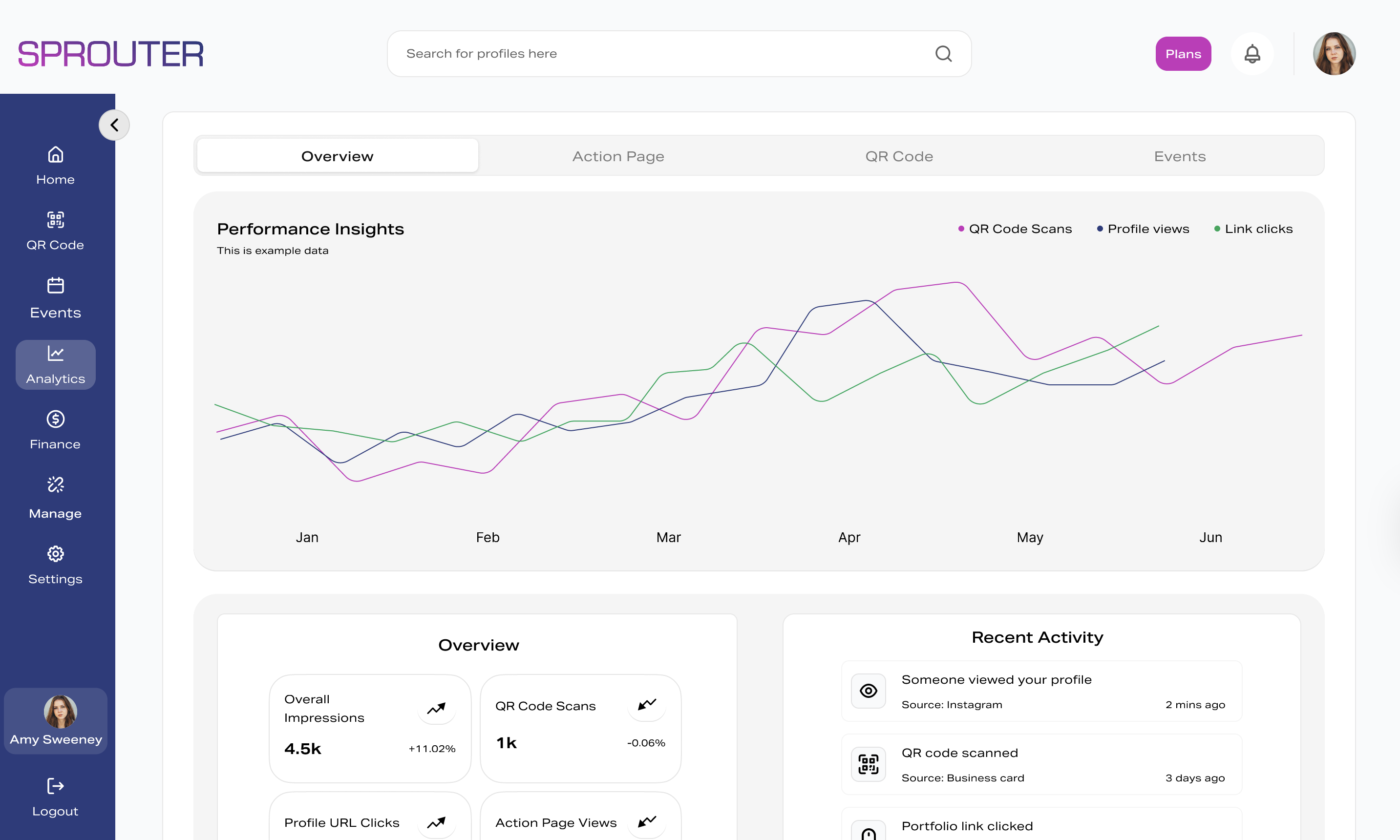
Analytics aren’t vanity—they inform strategy. Understanding what content performs, which channels drive value, and how audience engagement trends helps optimize effort toward outcomes that matter.
The Bottom Line
The creator economy in 2026 is neither the gold rush of hype cycles past nor the bubble some predicted. It’s a maturing industry with real opportunity for those who approach it professionally—and real challenges for those who don’t.
Success increasingly belongs to creators who treat their work as a business: diversifying revenue, building owned audience infrastructure, investing in professional tools, and measuring what matters.
The platforms, tools, and brands supporting creators are evolving to meet this reality. Sprouter’s approach—combining Action Pages for owned web presence, dynamic QR codes for offline-to-online connection, event ticketing for direct monetization, and analytics for informed decision-making—reflects the integrated infrastructure professional creators need.
The question isn’t whether the creator economy will continue growing. The question is whether individual creators will build the foundations required to capture that growth sustainably.
Ready to build creator infrastructure that you own? Start with Sprouter and create your Action Page, connect with fans directly, and sell tickets to your events—all without platform dependency.