Email marketing delivers an average return of $36-42 for every dollar spent—consistently outperforming every other digital marketing channel. Yet many creators, small businesses, and entrepreneurs believe they can’t build an email list without investing in a full website.
They’re wrong.
A traditional website isn’t a prerequisite for email list building. What you need is a way to capture subscribers and deliver value. The tools for doing this without a website are more accessible and effective than ever.
Why Email Lists Matter More Than Ever
Social media algorithms change constantly. Platform policies shift. Accounts get suspended. The reach you’ve built on any platform can vanish overnight.
Your email list is different. You own it. No algorithm decides whether your message reaches subscribers. No platform can revoke your access to your audience.
Consider the math: automated emails account for 37% of all email-generated sales. A small email list of engaged subscribers often outperforms large social followings in actual revenue generated.
The businesses and creators building direct audience relationships through email are building assets they control—not renting attention from platforms that can change the rules anytime.
The Website-Free Approach
Traditional list building assumes a website with embedded signup forms. But the fundamental exchange—someone gives you their email address in return for value—doesn’t require that infrastructure.
What you actually need:
- A way to capture email addresses (a form or landing page)
- Something valuable to offer in exchange for signup
- A place to send people from wherever you already have presence
- An email service to store contacts and send messages
Several approaches provide all of this without building a traditional website.
Strategy 1: Landing Page Platforms
Landing page builders create single-purpose pages optimized for conversion—perfect for email capture without full website overhead.
How It Works
You create a focused page with one goal: getting email signups. The page includes your offer, signup form, and nothing else distracting from conversion.
Platform Options
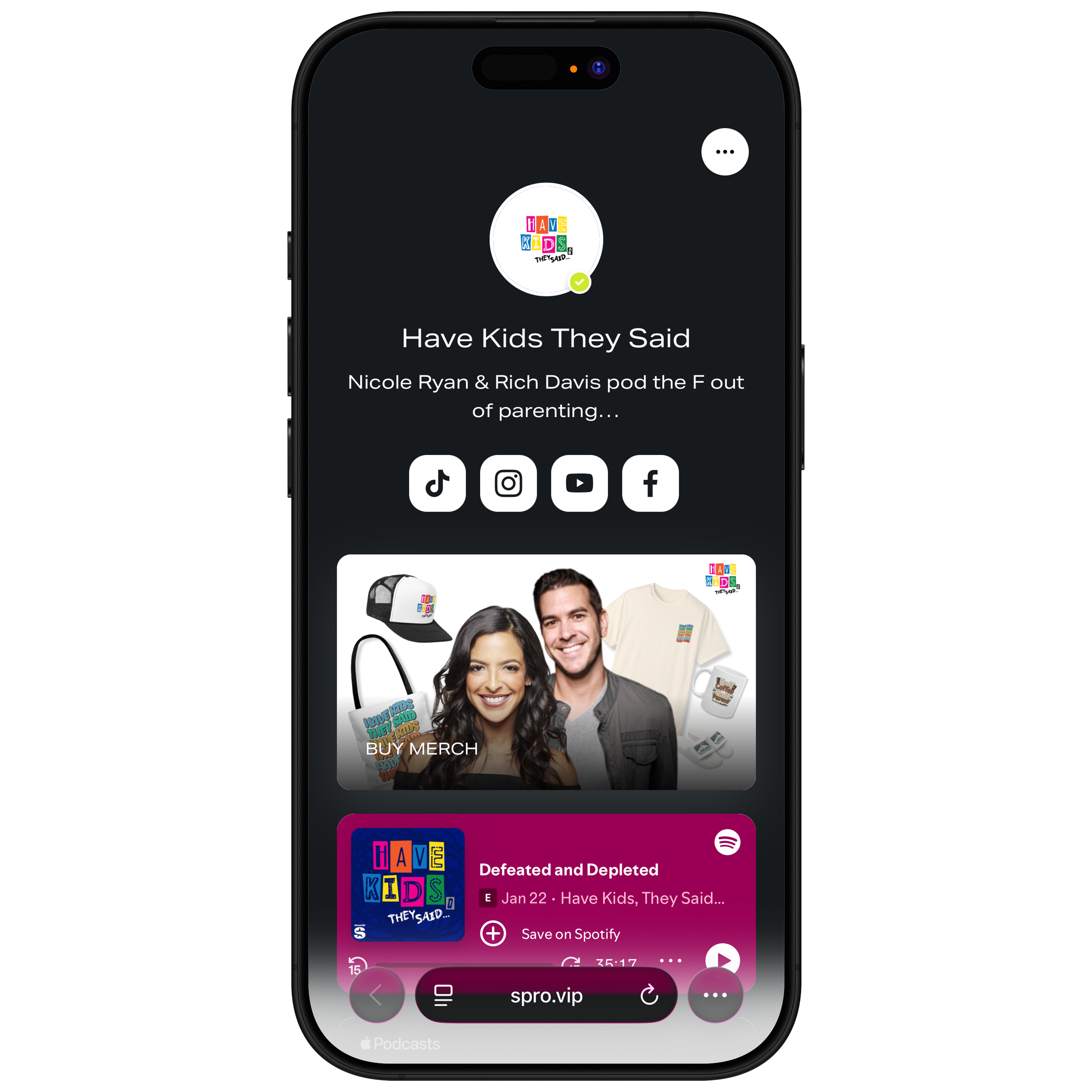
Link-in-Bio Tools Platforms like Sprouter create mobile-optimized pages that serve as your digital hub. Add an email signup embed or link to a signup form, and your link-in-bio becomes a list-building machine.
Dedicated Landing Pages Tools like Carrd, Leadpages, and ConvertKit’s landing pages create standalone signup experiences without broader website infrastructure.
Best Practices
- Keep the page focused on one clear action
- Communicate specific value (“Get weekly marketing tips” beats “Subscribe to my newsletter”)
- Mobile-optimize obsessively—most traffic comes from mobile devices
- Test different headlines and offers to improve conversion
Strategy 2: Social Media Native Tools
Most social platforms now offer native features for capturing email addresses or driving traffic to signup forms.
Instagram and Facebook
Link in Bio The single link allowed in your bio should drive to an email signup page or Action Page with signup capability.
Stories with Link Stickers Direct followers to your signup page through story content. This works for accounts of any size now that link stickers are universally available.
Facebook Groups Groups can require email addresses for membership approval, building your list while growing community.
YouTube
Description Links Every video description can include your signup link. Mention it verbally and include a call-to-action in the video itself.
End Screens Drive viewers to your signup page using YouTube’s end screen feature.
TikTok
Bio Link Your single bio link should point to a signup page. Mention it in video content regularly.
Comments Pin a comment with your signup link (or instructions to find it) on every video.
Strategy 3: QR Codes for Offline Capture
If you have any physical presence—events, retail location, product packaging, printed materials—QR codes bridge offline attention to online signup.
Implementation
- Create your signup landing page (using any method above)
- Generate a QR code pointing to that page
- Place the code on physical materials with a clear call-to-action
- Track scans to understand what’s working
Applications
Events and Speaking Display a QR code during presentations that leads to your signup page. Audience members can join your list in seconds.
Product Packaging Physical products can include QR codes linking to signup pages offering exclusive content, updates, or discounts.
Business Cards Your digital or physical business card can include a QR code to your signup page.
Signage Retail locations, pop-up events, and physical spaces can display codes driving list growth.
Sprouter’s dynamic QR codes are particularly useful here—you can track scans, see when and where people engage, and update destinations without reprinting materials.
Strategy 4: Lead Magnets Without a Website
A lead magnet is something valuable you offer in exchange for an email address. The best lead magnets solve specific problems for your target audience.
Effective Lead Magnets
Templates and Checklists Practical tools people can use immediately. A social media content calendar template, packing checklist, or project plan template.
Guides and Ebooks In-depth content on topics your audience cares about. Position yourself as an expert while providing real value.
Exclusive Content Access to content not available elsewhere—early releases, behind-the-scenes material, or members-only information.
Discounts and Offers For businesses, exclusive discounts in exchange for email signup drive both list growth and sales.
Free Courses Email-based courses delivered over days or weeks keep subscribers engaged while demonstrating expertise.
Hosting Without a Website
You don’t need a website to deliver lead magnets:
- PDF files can be hosted on Google Drive, Dropbox, or directly through your email platform
- Video content lives on YouTube (unlisted links) or Vimeo
- Templates can be Google Docs/Sheets shared with link access
- Sprouter Action Pages support direct file downloads up to 10MB
The key is delivering value immediately after signup—whatever format works for your content.
Strategy 5: Partnership and Cross-Promotion
Other people have audiences that include your potential subscribers. Strategic partnerships let you tap into those audiences.
Newsletter Swaps
Exchange promotions with complementary newsletters. You promote their signup to your list; they promote yours to theirs.
Guest Appearances
Podcasts, YouTube collaborations, Instagram Lives, and similar appearances put you in front of new audiences. Always have a clear call-to-action driving to your signup page.
Content Contributions
Guest posts on other platforms, contributing to roundups, or providing expert quotes all create opportunities to include your signup link.
Building Your Signup Infrastructure
Choosing an Email Service Provider
For website-free list building, prioritize platforms that include:
- Landing page functionality (no external tools needed)
- Form embeds that work on any page
- Automation capabilities for welcome sequences
- Free or affordable tiers for getting started
Popular options include ConvertKit, MailerLite, Mailchimp, and Beehiiv—all of which support list building without a traditional website.
Creating Your Action Page Hub
If you’re using Sprouter or similar platforms, your Action Page becomes your website substitute:
- Profile section establishes your identity
- Email signup link drives to your capture form
- Lead magnet link offers value in exchange for signup
- Social links provide additional connection points
- Content links showcase your work and expertise
This single page serves as your digital hub—no traditional website required.
Setting Up Your Welcome Sequence
Don’t just collect addresses—nurture new subscribers immediately:
- Welcome email (immediate): Deliver promised lead magnet, introduce yourself
- Value email (day 2-3): Provide useful content, establish expertise
- Story email (day 4-5): Share your background and why you do what you do
- Offer email (day 7+): Present your products, services, or next steps
Automation handles this once set up—every new subscriber gets the same nurturing experience.
Getting Started Today
You don’t need a website, a big budget, or technical expertise to start building your email list. You need:
- A signup destination: Create an Action Page on Sprouter or landing page on your email platform
- A lead magnet: Something valuable enough that people will exchange their email for it
- Traffic sources: Social media profiles, QR codes, partnerships—wherever you already reach people
- An email platform: ConvertKit, MailerLite, or similar to store and email subscribers
- A welcome sequence: Automated emails that nurture new subscribers
The businesses and creators who build owned audiences through email are building sustainable foundations. Social media reach may fluctuate, but your email list remains yours.
Start with one signup page, one lead magnet, and one traffic source. Optimize from there. The best time to start building your list was five years ago. The second-best time is today.
Ready to build your email list? Create your Sprouter Action Page with subscriber capture, lead magnet links, and QR codes that drive signups from anywhere.