If you’re a CPG or food and beverage brand, GS1 Sunrise 2027 is coming for you faster than you think.
By the end of 2027, retailers will require 2D barcodes on products. Your packaging team is probably already planning the barcode transition. Your supply chain team is coordinating with retail partners. Your compliance team is reviewing GS1 Digital Link requirements.
But here’s what most CPG brands are missing: the QR codes you’re required to put on packaging can do far more than satisfy checkout requirements. They can connect consumers directly to your brand, deliver the transparency they increasingly demand, capture first-party data at unprecedented scale, and build direct relationships that reduce your dependence on retail gatekeepers.
Most CPG brands will deploy compliant codes that do nothing for consumers. The codes will scan at checkout and lead nowhere useful. The massive consumer engagement opportunity will be completely wasted.
This guide is for the CPG brands that want more—that see GS1 Sunrise not as packaging compliance but as the largest consumer engagement opportunity in CPG history.
The CPG Transparency Imperative
Consumer expectations for product transparency have fundamentally shifted.
Research shows 79% of consumers are more likely to purchase products with scannable QR codes that provide additional information. They want to know what’s in products, where ingredients come from, how products are made, and what brands stand for.
The information consumers seek most:
- Nutritional details beyond basic labels
- Ingredient sourcing and supply chain
- Allergen information and cross-contamination data
- Sustainability practices and certifications
- Manufacturing processes and quality standards
- Brand values and company practices
Traditional packaging can’t deliver this depth. Label space is limited. Regulatory requirements consume available real estate. Detailed information simply doesn’t fit.
QR codes solve this constraint. A single code can connect to unlimited digital content—as much transparency as consumers want, updated as often as needed, personalized to individual interests.
GS1 Sunrise puts these codes on every product by requirement. The question is whether CPG brands use them to deliver the transparency consumers demand.
The Direct Relationship Opportunity
CPG brands have historically operated at arm’s length from consumers. You sell through retailers who own the customer relationship. You know what shipped to stores but not who bought products or why. Consumer feedback arrives through expensive research panels, not direct conversation.
Connected packaging changes this dynamic fundamentally.
When consumers scan your product QR codes and engage with your content, you can capture their information directly. Email addresses, preferences, feedback, purchase patterns—first-party data that you own and control, not data you rent from retailers or platforms.
Consider what direct consumer relationships enable:
Research without panels: Ask consumers directly about preferences, satisfaction, and ideas. Get feedback in days, not months.
Product development input: Test concepts with engaged consumers before costly production commitments.
Loyalty without intermediaries: Build relationships directly with consumers rather than through retailer loyalty programs you don’t control.
Crisis communication: Reach consumers directly during recalls or issues rather than depending on retail communication.
Advocacy activation: Mobilize engaged consumers for word-of-mouth, reviews, and social sharing.
Reduced platform dependency: Own consumer relationships rather than renting reach from social platforms.
The brands that build these direct relationships from connected packaging will have structural advantages in understanding consumers, responding to markets, and building loyalty.
The Content Strategy for CPG
CPG brands deploying connected packaging need content strategies that justify consumer engagement.
Transparency Content
This is table stakes—the information consumers most want:
- Ingredient deep-dives: Beyond the nutrition label, explain what ingredients are, why they’re included, how they’re sourced
- Sourcing stories: Where do ingredients come from? What farmers, regions, or suppliers are involved?
- Manufacturing transparency: How is the product made? What quality controls exist?
- Certification details: What do certifications actually mean? How are they verified?
- Sustainability data: Environmental impact, packaging recyclability, carbon footprint
Transparency content should be factual, detailed, and regularly updated. It builds trust through information.
Utility Content
Content that makes products more useful:
- Recipes and meal ideas: For food products, usage inspiration extends product value
- Pairing suggestions: What goes well with this product?
- Storage and handling: How to keep products fresh and safe
- Usage tips: Getting the most from the product
- FAQ and troubleshooting: Answering common questions
Utility content gives consumers reasons to scan beyond curiosity. It provides ongoing value that justifies engagement.
Brand Content
Content that builds emotional connection:
- Brand story and heritage: History, founders, mission, values
- Behind-the-scenes: People, processes, and places that make products
- Community involvement: Social impact, local connections, charitable work
- Innovation pipeline: What’s coming, what you’re working on
Brand content humanizes CPG companies and creates emotional loyalty beyond product attributes.
Conversion Content
Content that captures ongoing relationship:
- Loyalty enrollment: Programs that reward continued engagement
- Newsletter signup: Ongoing communication permission
- Social follows: Community connection
- Feedback requests: Consumer input and ratings
- Promotional offers: Exclusive deals for engaged consumers
Conversion content transforms one-time scanners into known contacts with ongoing relationship potential.
The Scale Challenge
CPG portfolios are large. Hundreds or thousands of SKUs each need content. This scale requires systematic approaches:
Content Templates: Develop standardized structures that ensure consistency while enabling product-specific variation.
Content Hierarchy: Not every product needs identical depth. Tier your investment based on strategic importance.
Data Integration: Much transparency content already exists in internal systems. Connect content platforms to existing data sources.
Dynamic Capability: Content needs change. Dynamic landing experiences—like Sprouter’s Action Pages—update without changing QR codes on packaging.
The Regulatory Consideration
CPG, especially food and beverage, operates under significant regulatory oversight. Connected packaging content must comply:
Claims Accuracy: Digital content is subject to the same claims regulations as packaging. Health claims require substantiation, nutritional information must be accurate.
Privacy Compliance: Capturing consumer data triggers privacy requirements—GDPR, CCPA, and other regional privacy laws require clear disclosure and meaningful consent.
Accessibility: Digital content should be accessible to consumers with disabilities.
The Implementation Roadmap for CPG
Given portfolio scale and organizational complexity, CPG brands should approach connected packaging in phases:
Phase 1: Pilot (Months 1-6)
Select 10-25 products for initial deployment. Build complete infrastructure: QR management capability, landing experience platform, content templates. Learn from pilot results.
Phase 2: Expansion (Months 7-12)
Scale based on pilot learnings. Expand to additional products and categories. Typical expansion might cover 100-500 products.
Phase 3: Portfolio Coverage (Months 13-24)
Achieve comprehensive coverage. All products with connected capability. Complete before 2027 to capture early-mover advantage.
The Competitive Window
GS1 Sunrise 2027 creates industry-wide transition. Every CPG brand will have QR codes on packaging.
The brands that deploy consumer engagement capability early:
- Build consumer relationships while competitors focus on compliance
- Learn what content resonates before market saturation
- Accumulate first-party data while others start from zero
- Establish engagement habits before universal QR fatigue
The window is open now. It narrows as 2027 approaches.
The Sprouter Advantage for CPG
Sprouter provides infrastructure purpose-built for CPG connected packaging:
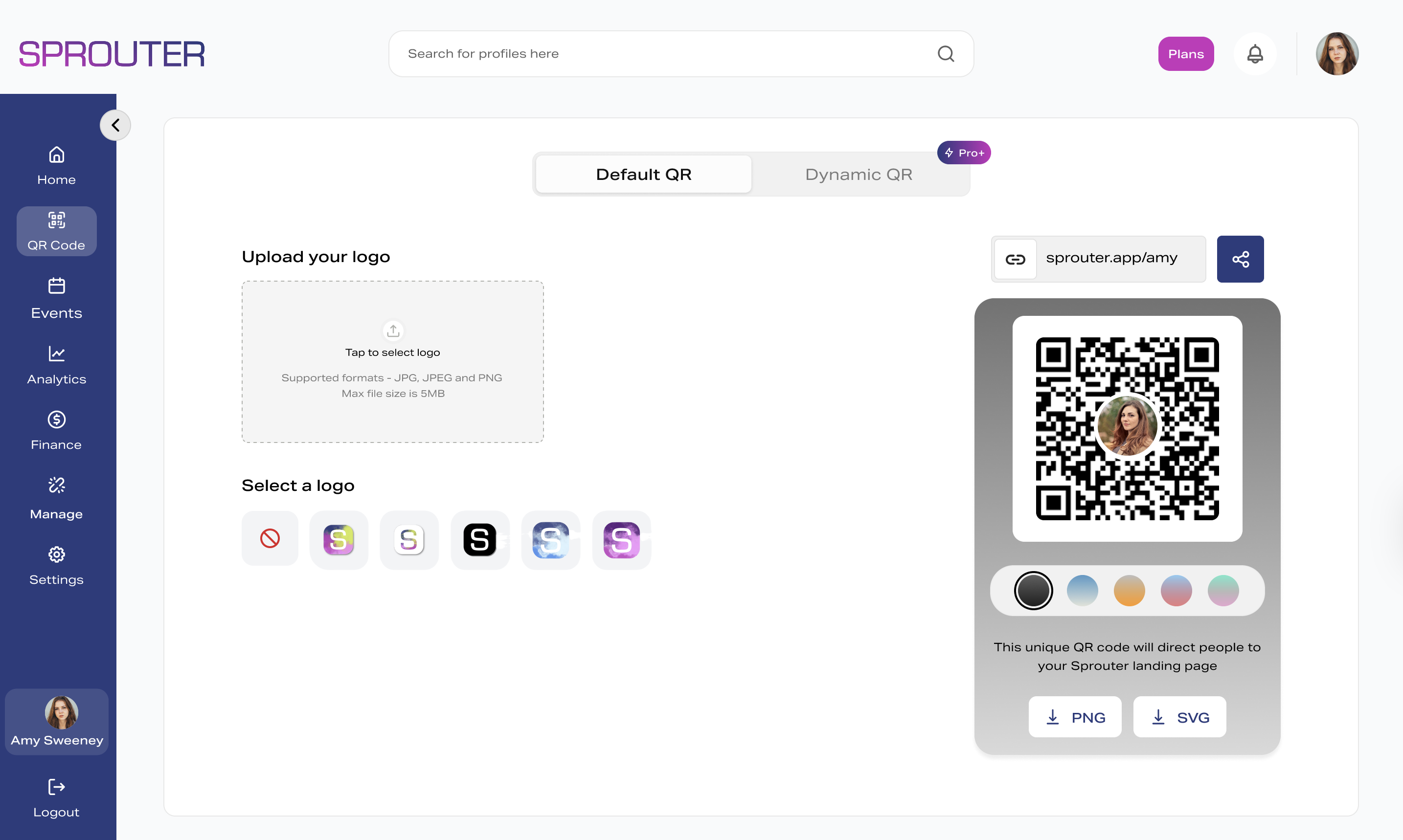
Dynamic QR at Scale: Manage thousands of product codes, update destinations without reprinting, track every scan with full context.
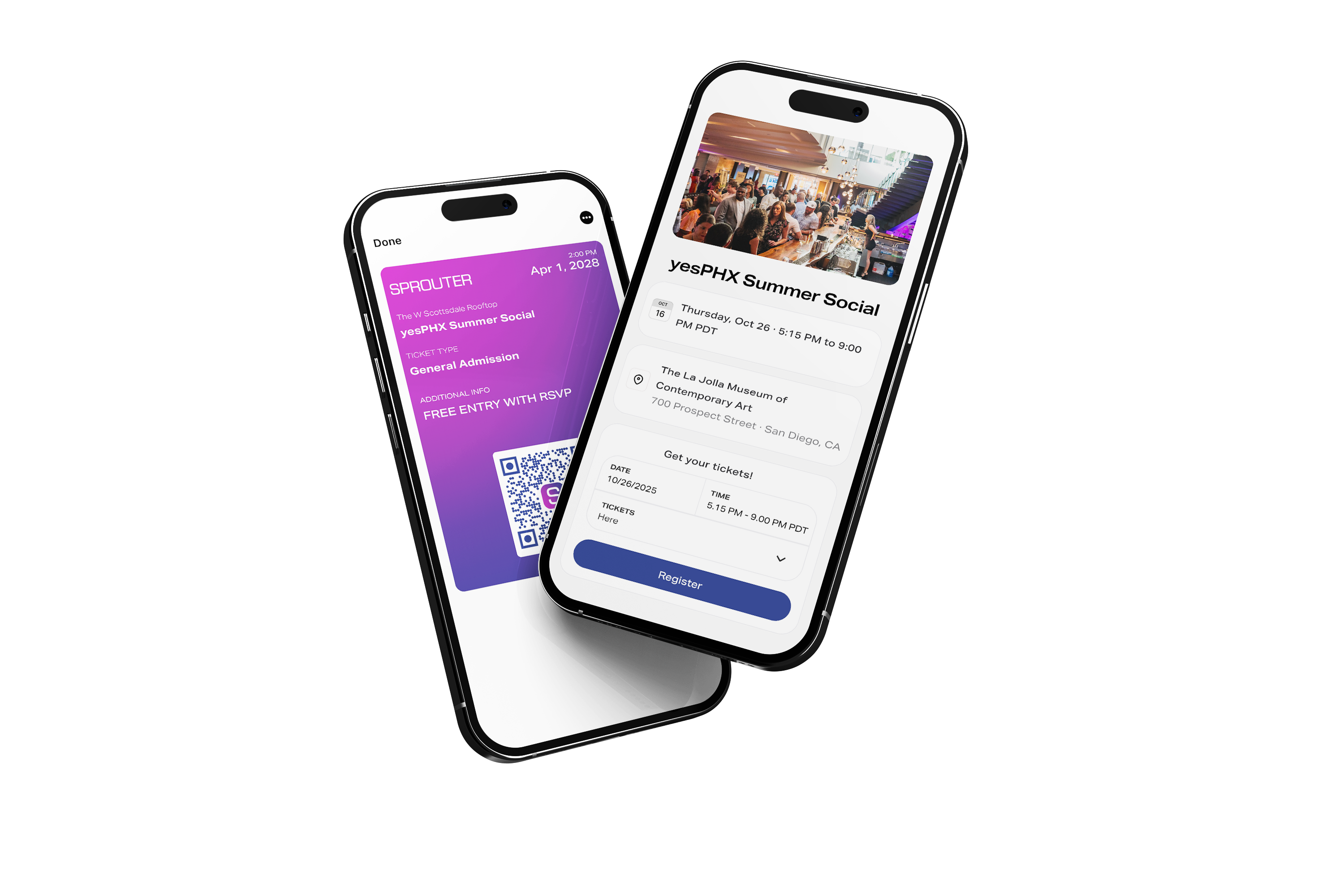
Action Pages: Mobile-native landing experiences that deliver transparency content, utility information, and conversion mechanisms—all from post-scan context.
Conversion Infrastructure: Email capture, social follows, loyalty integration, feedback collection—built into the platform.
Unified Analytics: See which products drive engagement, which content performs, which conversion paths work—connected data across the portfolio.
Enterprise Scale: Built for portfolio sizes and organizational complexity that CPG requires.
Ready to transform GS1 Sunrise from compliance requirement into consumer engagement opportunity? Sprouter provides the complete infrastructure CPG brands need—dynamic QR management, Action Pages, conversion mechanisms, and portfolio-scale analytics. Explore anti-counterfeiting and authenticity verification or start building your direct consumer relationships before competitors.